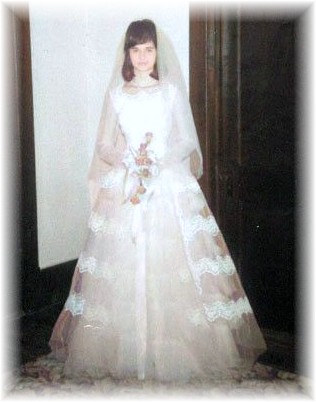
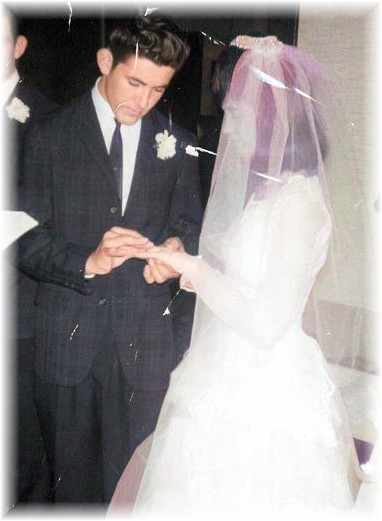
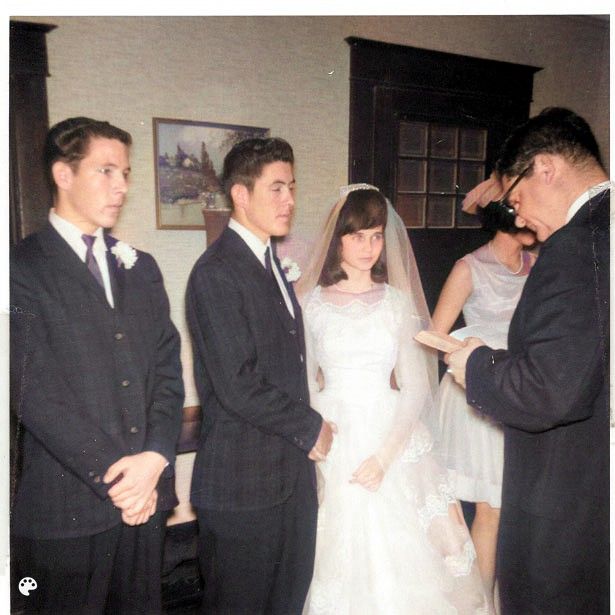
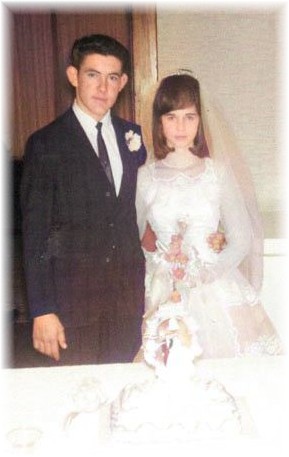
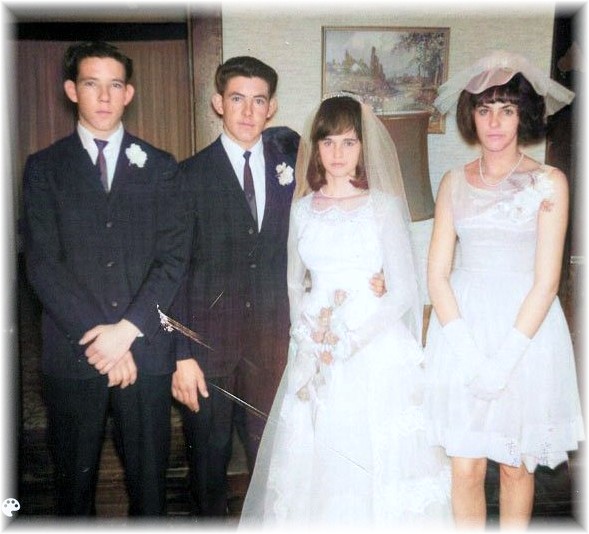
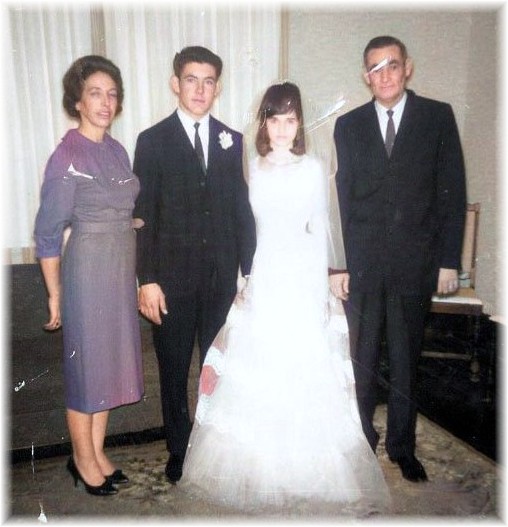
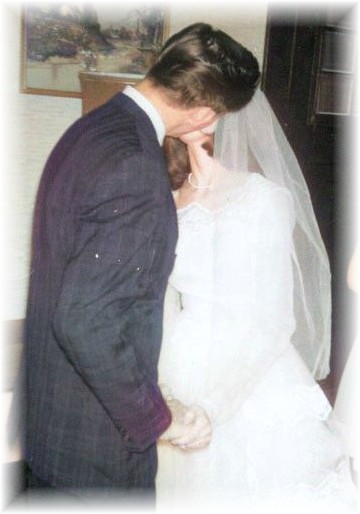
Fifty-five years ago today, my parents said “I do”. The ceremony took place at the home of my grandparents, Lewis and Evelyn Stafford, in Prairie Hill, Limestone County, Texas. In honor of their wedding anniversary, I wanted to share their wedding photos. Thanks to the new colorization tool at MyHeritage, I’m able to share them in color. It’s amazing how the colorization (though subtle) brings out the dimensions of the photos. I never noticed or paid much attention to my mother’s bouquet before but now can see that it is soft pink roses. There are some photos that do not colorize well or colorize completely (I think depending on the shades and shadows), but most of the wedding photos did well.
Their wedding announcement was in the newspaper and is typed out below. There were a few mistakes which I have corrected in the brackets that follow the mistaken entry.
Mrs. Jimmie [Jimmy] L. Stafford
Sandra Curry [Badeaux] Bride of Jimmie [Jimmy] L. Stafford
Miss Sandra Darlene Curry [Badeaux], daughter of Mr. and Mrs. J.C. Curry of Mart and Jimmie [Jimmy] Louis [Lewis] Stafford, son of Mr. and Mrs. Louis [Lewis] Stafford of Prairie Hill were united in marriage on Friday, Feb. 19 at 8 o’clock in the evening at the Stafford home. Rev. Fred L. Sain read the impressive double ring ceremony. Attendants were the bride’s sister, Miss Janice Badeaux of Mart and the groom’s brother, Dannie [Danny] Stafford of Prairie Hill. The bride’s gown was of white peau de sole with fitted bodice and whose scalloped neckline was outlined with alencon lace. Bands of the lace trimmed the full, floor length skirt. The headpiece was a pearl crown with waist length veil attached in soft gathers. Only the families and a few close friends attended the wedding and reception which followed. The groom is employed in Mt. Calm. Mr and Mrs Stafford will make their home in Prairie Hill.
My parents celebrated nineteen years together, and then my mother went on to be with the Lord in Heaven. Today marks fifty-five years that they would have celebrated.
As I say goodbye to 2019, I take a deep breath and reflect on the year that has flown by so quickly. Looking at my goals from last year, I see at a glance that I did not accomplish everything that I had intended to. I have to ask myself why. What kept me from accomplishing my goals? Lack of Focus? Too busy? Life? Yes, yes and yes. I have a family and a full-time job, life happens.
Though many genealogy goals went unmet, my year was amazing and full of enjoyment. On a personal level, I made a commitment to homeschool my precious granddaughter for one full school year (five months to go!!) and my husband and I are in the process of building a house, which required us to move from our property into a rental house. In addition to working a full-time job at the library, I completed my first full year as Genealogy Program Director, teaching monthly classes and scheduling speakers. I also had several clients this year which took a considerable amount of time. So, even though I didn’t meet all the goals I set for myself for 2019, I did accomplish quite a bit.
Year in Review
Completed the Advanced Southern Research Techniques track at the Texas Institute of Genealogical Research (TIGR) in Austin, Texas[1]
Attended the 2019 Texas State Genealogical Society (TxSGS) Family History Conference[2] in Houston, Texas
Taught monthly genealogy classes at the Groesbeck Public Library, Groesbeck, Texas
Served on the Board of Directors for the Limestone County Historical Museum[3]
Served as registrar for my local chapter of the United Daughters of the Confederacy
Wrote and published genealogy article for our local newspaper titled “No Better Time to Dig into Your Family History”
Started a genealogy blog entitled Digging Up Roots on WordPress using Amy Johnson Crow’s 52 Ancestor Challenge for content
Presented a program for the Foster Grandparents Program of Texas entitled “Telling Your Story”
Presented genealogy program for my local Daughters of the American Revolution (DAR) chapter entitled “Insights to Genealogy Research”
Completed two applications (for myself) for the First Families of Limestone County[4], which were approved, and certificate awarded
Completed nineteen client applications for the First Families of Limestone County
Completed two client family history books
Completed one client DNA analysis
Continued work on long term client research
Began transcribing the Mt Gillead Church Record book[5]
Began work on compiling a family history book for three of my family lines; Stafford, Parten and Roundtree.
Focus and Goals for 2020
As I go forward into this new year, I want to be mindful of my unfinished goals from last year. Though it was a busy year, I could have completed some of those goals if I had been better organized, so this year’s first goal is to become better organized. I am a pretty organized person as in I keep things neatly organized and structured, but I need to improve my organizational skills in order to become more productive. I have discovered a book that will help me do precisely that. It is called Getting Things Done: The Art of Stress-Free Productivity by David Allen (All New Updated Edition). I’m only partway through this book and can already tell it will help me tremendously.
Other goals include:
* Write a research analysis for my Roundtree family to prove a relationship using DNA evidence with documentation
* Write a research analysis connecting Joseph Green Johnson to his parents using DNA evidence with documentation
* Transcribe collection of family letters to publish
* Publish my grandmother’s book of poems
* Finish transcribing the Mt Gillead Church Record Book
* Complete and submit DAR supplemental applications for Stephen Bartley Westbrook and Cuthbert Hudson
* Complete and submit UDC supplemental applications for George Franklin Stafford, William Butler Widener, Phillip Coker and Joseph Green Johnson
*Complete and submit Indian Wars of Texas application for Elijah and Charles Goodnight
* Continue to work on family lineage books for Stafford, Parten and Roundtree Families
*Continue my genealogical education by taking online classes, attending conferences/classes, reading and studying
[5] This church record book dates back to 1854 and continues through the Civil War and into the 1880’s. It contains many names of founding families of Limestone County, Texas. The record book was donated to the Groesbeck Public Library several years ago. The Mt. Gillead Church was located near Springfield in Limestone County, Texas.
This time of the year always leaves me feeling very nostalgic. Thinking back on my childhood with special memories of family gatherings brings me full circle as I begin planning for the season with my own children and grandchildren.
Fall has always been my favorite time of year. Crisp cool weather, falling leaves, wearing fuzzy socks, cuddling in a cozy blanket while sipping hot cocoa and reading a good book are just a few of the things that make it one of the best times of the year for me. There’s just something about it that warms my heart and causes me to become very nostalgic.
As I reach back in my memory, I can almost
feel that I’m there once again. I can hear the sounds of chatter and laughter
as my siblings and I are at our kitchen table playing a game while Dad is at
the stove making his famous fudge and Mom getting everything ready for us to
make popcorn balls.
Tomorrow we will be traveling with two of our granddaughters to pick up two of our other grandkids. For the next week, we will have a house full of kids and grandkids. I’ve planned some fun things for us to do while they’re all here, including a hayride, roasting hotdogs and making s’mores. My daughters and I will spend a good amount of time in the kitchen getting ready for Thanksgiving and catching up.
I’m looking forward to creating new memories with all my grandbabies and as I do, I will be thinking back, remembering my mom and other family members who are no longer with us. I cherish the times we’ve had and will forever hold them in my heart. I wish you all a blessed Thanksgiving and pray it is filled with love, laughter and lots of good memories.
This entry is part of the Amy Johnson Crow’s 52 Ancestors in 52 Weeks Writing Challenge – Week 47: Soldier
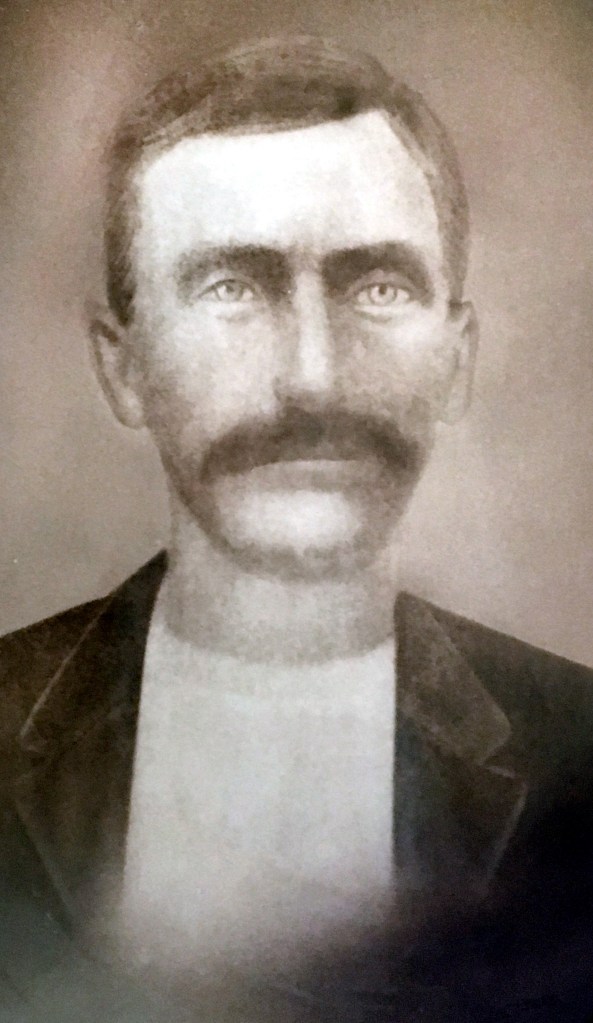
William Andrew Roundtree
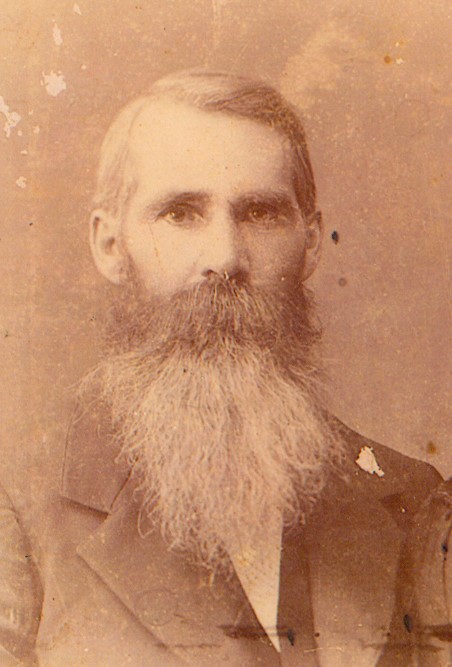
I love being able to see photographs of my ancestors. This is the only photo I have ever seen of my great- great grandfather, William Andrew Roundtree. As I look at his face, I sense that he was perhaps a solemn person with much weighing on his mind. When I look back at the records, that is my only insight into his life, I am able to piece together his story; a story not without burdens, sorrow and hardships. As a young man, he was a soldier during the Civil War. I can picture him in his Confederate uniform and cap as I try to imagine what his life as a soldier might have been like at such a young age.
William Andrew Roundtree, son of James Woodson Roundtree and Mary Elizabeth Burns[1], was born in Arkansas in 1844[2]. His family moved to Texas around 1851 when William was about seven years old. [3] They first settled in Shelby County, Texas and then Hardin County, Texas where many Roundtree descendants still live. It was in Hardin County where, at the age of seventeen, William Andrew Roundtree first volunteered for military service and in 1862, enlisted in the 1st Texas Regiment, Company F.[4]
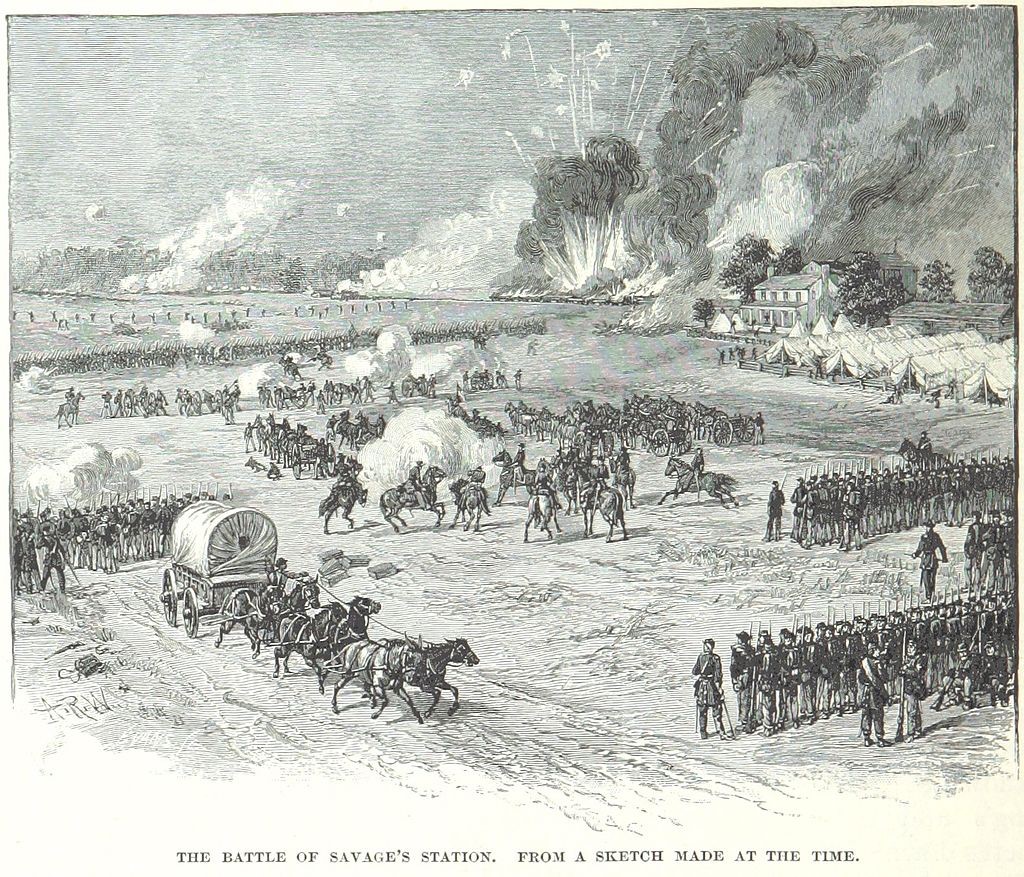
It wasn’t long before William saw his first
battle. On June 29, 1862, the Texas 1st was engaged in battle at The
Battle of Savage’s Station in Henrico County, Virginia.[5]
“The battle began around nine o’clock in the morning and went on throughout the day reaching a bloody stalemate as darkness fell and strong thunderstorms began to move in leaving approximately 1500 wounded men on each side”.[7] William Andrew Roundtree suffered no known wounds from this battle, though being only eighteen years old, I can imagine he suffered anguish and anxiety having witnessed and participated in such an event. For the next year, he participated in a variety of other engagements and was present for all his company’s muster rolls.[8]
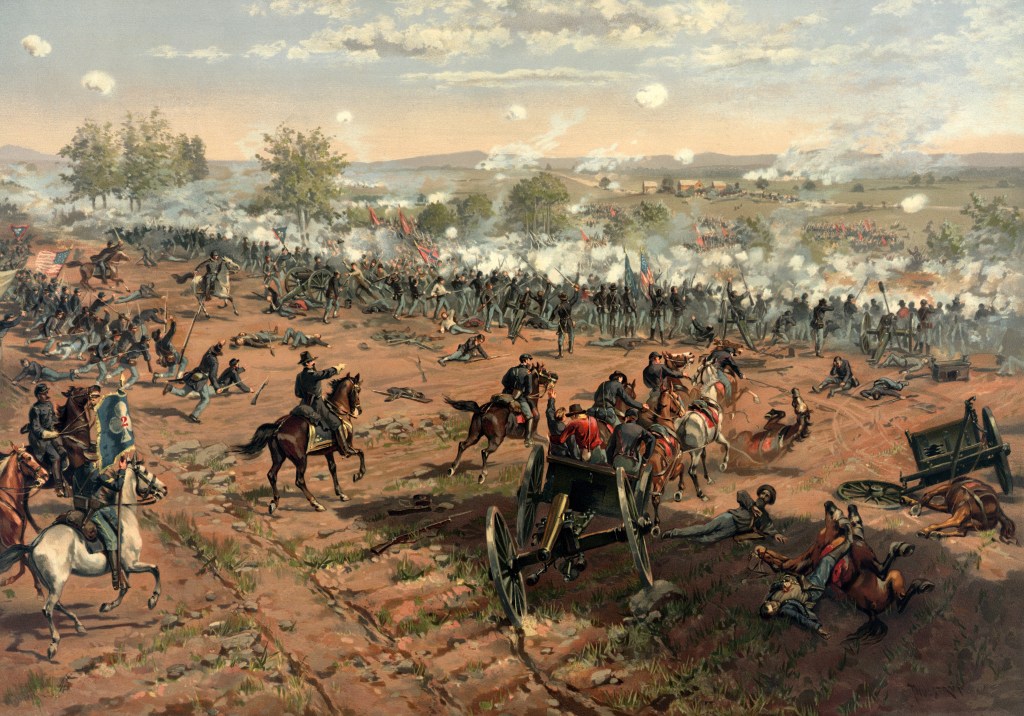
The battle that not only changed the tide of the war, but also the life of my ancestor, happened in the first few days of July 1863; it was called The Battle of Gettysburg. On the second day of battle, July 2, 1863, William Roundtree was wounded.[9] Both armies suffered extremely heavy losses on July 2, with 9,000 or more casualties on each side. The combined casualty total from two days of fighting came to nearly 35,000, the largest two-day toll of the war.[10]
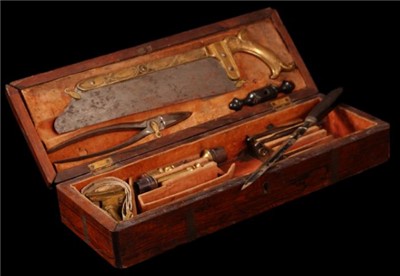
William was eventually taken to the Wayside Hospital in Richmond, Virginia and is shown on the register as being admitted on July 20, 1863.[12] He remained in the hospital for quite some time and appears on a register of the General Hospital, Howard’s Grove, Richmond, Virginia on November 13, 1863. It was during his stay at this hospital that he had his right hand amputated.[13] “With so many patients, doctors did not have time to do tedious surgical repairs, and many wounds that could be treated easily today became very infected. So, the army medics amputated lots of arms and legs, or limbs. About three-fourths of the operations performed during the war were amputations. These amputations were done by cutting off the limb quickly in a circular sawing motion to keep the patient from dying of shock and pain. Remarkably, the resulting blood loss rarely caused death. Surgeons often left amputations to heal by granulation. This is a natural process by which new capillaries and thick tissue form much like a scab to protect the wound. When they had more time, surgeons might use the “fish-mouth” method. They would cut skin flaps (which looked like a fish’s mouth) and sew them to form a rounded stump.”[14]
American
Civil – War era amputation and surgical set
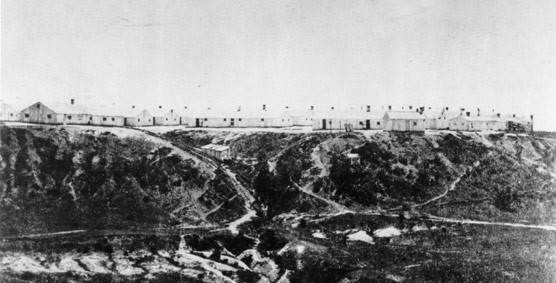
William was transferred to Chimborazo Hospital (also in Richmond, Virginia) on January 29, 1864 to complete his recovery time. He remained at Chimborazo until June 1864 when he was retired by the Medical Examining Board as “unfit for service”[16]. I feel that he had integrity and a little spunk and determination, for within that same month, William Andrew Roundtree registered for the Invalid Corps at the military station in Beaumont, Texas.[17] The Invalid Corps was organized to give cripple or partially crippled soldiers the opportunity to remain a part of the military doing useful but simple work while freeing up able bodied men to fight on the front.
Chimborazo Hospital, the “hospital on the hill.”
Considered the “one of the largest, best-organized, and most sophisticated
hospitals in the Confederacy.” Library of Congress
After the war, William returned home to Hardin County and married Mary Durham, a widowed woman with two small children.[18] Together, William and Mary had one child, a son, Robert Lee Roundtree who was born on June 26, 1866.[19] It’s hard for me to imagine what a life of a farmer would have been like having the use of only one of his hands. His wife, I’m sure, worked the farm as well pulling together to make a life. It wasn’t to last long however, as sometime between 1870 and 1872, she passed away from unknown reasons.
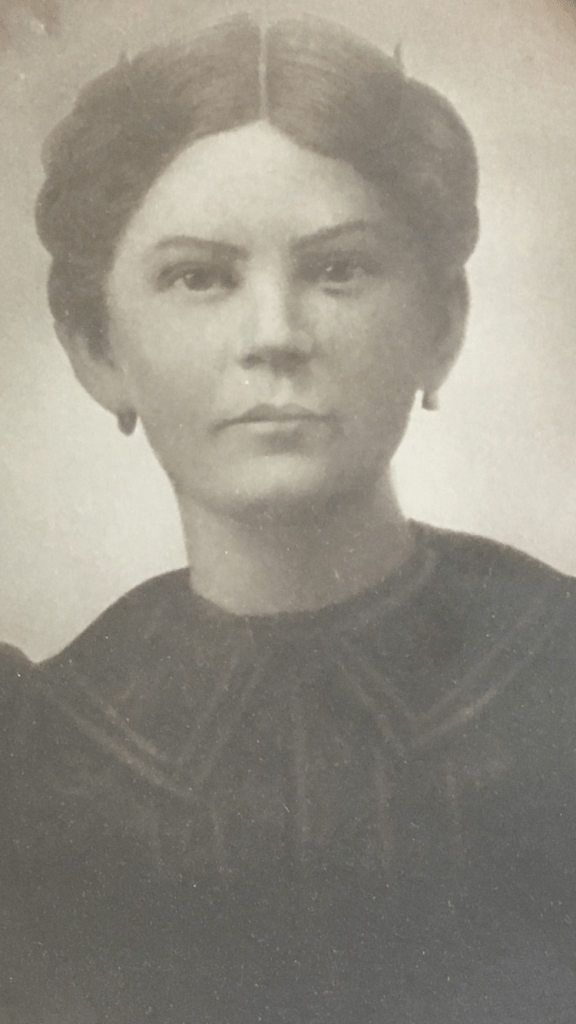
Mary
(maiden name unknown) Durham Roundtree – First wife of William Andrew Roundtree
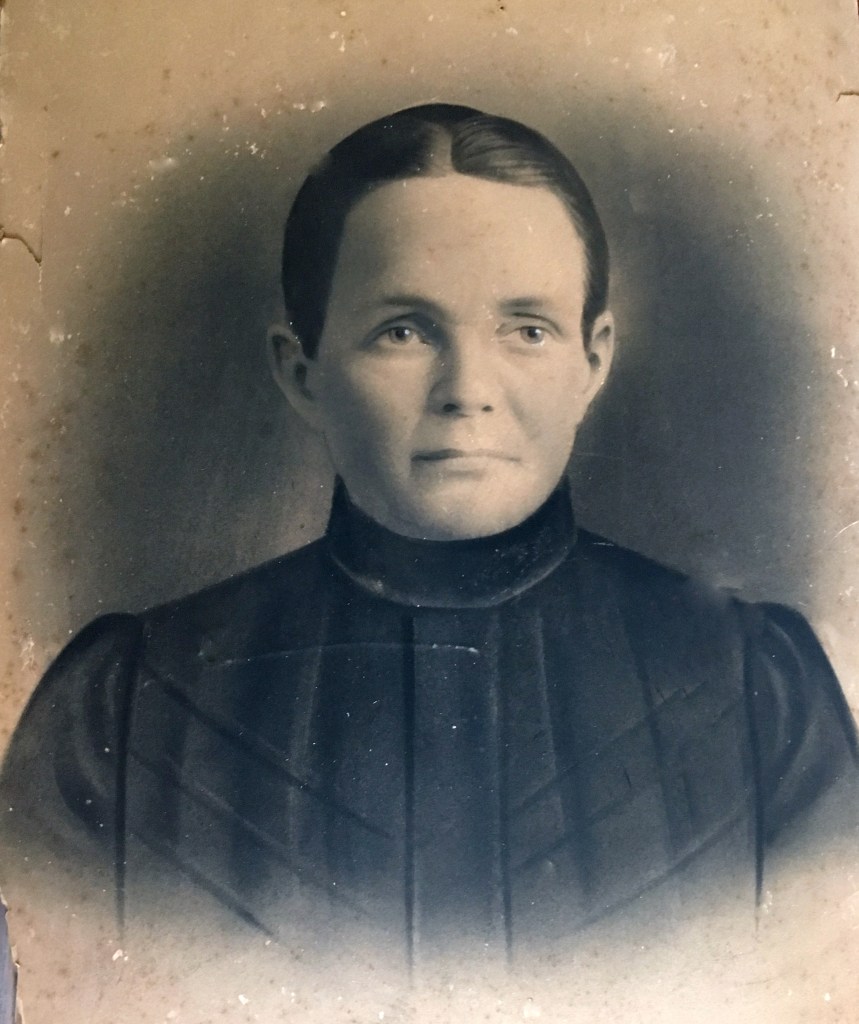
William remarried on November 14, 1872 to Georgianna May McClendon.[20] In 1876, William moved his family to Limestone County.
Georgianna May McClendon Roundtree
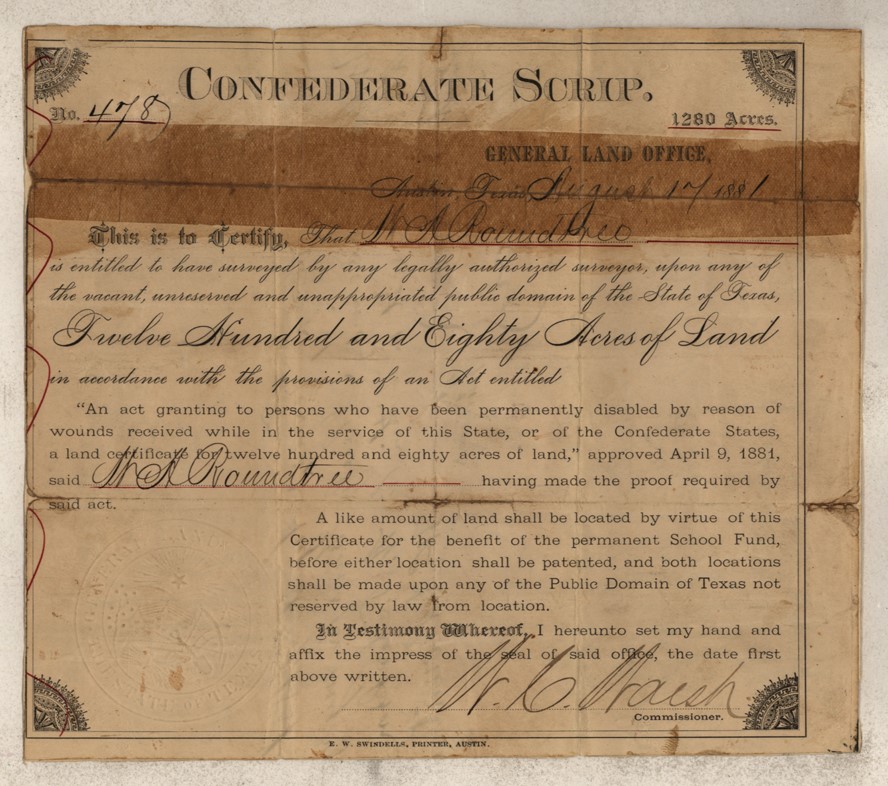
He received a Confederate Script in 1881 which entitled him to 1, 280 acres of land. This script of land was located in Red River County. [21]
Shortly after receiving his Confederate Script, William Andrew Roundtree purchased 183 ½ acres of land in Limestone County[22]. There has been speculation in the family and even a court case arguing whether William sold his script of land. That in itself is enough for an entire story on its own. After thoroughly examining the documents and other sources, it is my opinion, that William was able to purchase the land in Limestone County with the proceeds of the sale of the Script. He is listed in the tax rolls each proceeding year through 1887 as having the 183 ½ acres of land. In the 1888 tax rolls for Limestone County, William is listed as having only forty acres of land. This is shown each year until his death in 1899. More research is needed to determine what happened to this property as I have not been able to locate any type of deed record.
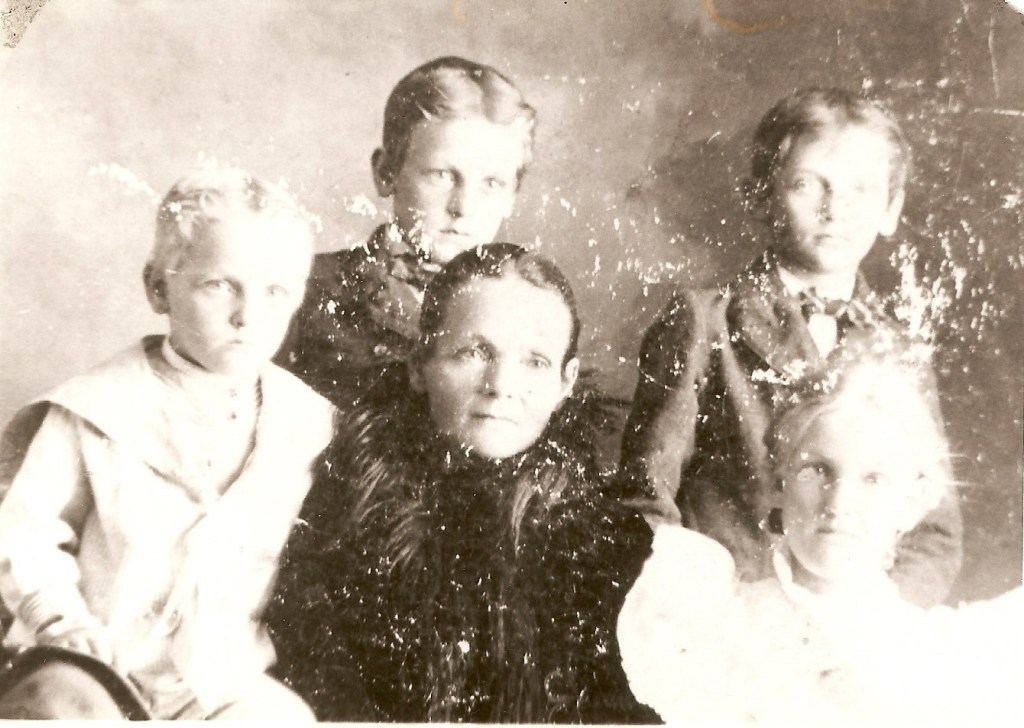
William Andrew Roundtree and Georgianna May McClendon had the following children; Minnie Lee Roundtree was born in 1873, Mollie 1876, Willie 1877, Nancy Josephine 1879, Jesse James 1885, Virginia “Jennie” 1890, Andrew Lawrence (my great grandfather) 1891, Woodson 1892 and Melvin Lenard 1895.
Georgianna
May McClendon Roundtree with four of her children; L to R: Melvin, Leonard, Woodson and Virginia
(Photo
was taken shortly after the death of William Andrew Roundtree)
William is buried in an unmarked grave in Hogan Cemetery in Limestone County, Texas. He is buried next to his father, James Woodson Roundtree. It is my hope to have his grave marked with a headstone in the near future.
[1] DNA analysis using the Ancestry test results from various documented descendants of James Woodson Roundtree and Mary Elizabeth Burns compared to documented descendants of William Andrew Roundtree, in combination with circumstantial evidence and indirect sources; Analysis performed by Teresa Penny 2019; In possession of Teresa Penny
[2] 1870
U.S. census, population schedules. NARA microfilm publication M593, 1,761 rolls.
Washington, D.C.: National Archives and Records Administration; Ancestry.com,
Provo, UT
[12] National
Park Service U.S. Civil War Soldiers, 1861-1865 [database online] Provo, UT,
USA; Ancestry.com Operations, Inc. 2007. Original data National Park Service,
Civil War Soldiers and Sailors Systems
[16] National
Park Service U.S. Civil War Soldiers, 1861-1865 [database online] Provo, UT,
USA; Ancestry.com Operations, Inc. 2007. Original data National Park Service,
Civil War Soldiers and Sailors Systems
[18] 1870
U.S. census, population schedules. NARA microfilm publication M593, 1,761
rolls. Washington, D.C.: National Archives and Records Administration; Ancestry.com
Operations, Inc.2009, Provo, UT, USA
[19] U.S.,
Find A Grave Index, 1600s-Current; Ancestry.com; 2012; Provo, UT, USA
[20] Louisiana,
Marriages, 1718-1925; Compiled from a variety of sources including original
marriage records located in Family History Library microfilm, microfiche, or
books. Original marriage records are available from the Clerk of the Court
where the marriage license was issued. Ancestry.com Operations Inc.; 2004, Provo,
UT, USA
This entry is part of Amy Johnson Crow’s 52 Ancestors in 52 Weeks;
Week #45 Rich Man
William Marshall Parten
If wealth can be measured in offspring, William Marshall Parten was a very
rich man, having had a great number of children in his lifetime. He passed away at the age seventy-three years,
ten months and sixteen days[1]
having had twenty-two children along the way. At the time of his death, his
oldest child was fifty-three and his youngest had just turned three; a difference
of fifty years.
William Marshall Parten was born 08 March
1848 in Sneedville, Hancock County, Tennessee[2].
He was the son of William Parten and Mahalia Wilburn[3].
The 1850 census shows William living
with his parents and six siblings[4].
He had a total of ten siblings. By 1860, his father had passed away leaving
behind a large family. They were living on Brier Creek near Sneedville in
Hancock County, Tennessee[5].
As the rumors of war drew close, William
was reaching maturity and soon found himself engulfed in battle. He served in
the Confederate Army in Lillard’s 3rd Mounted Tennessee Volunteers[6].
On 3 July 1863, at the age of fifteen, William Marshall Parten was captured during
the siege of Vicksburg[7].
He was paroled a week later and sent home[8].
Sometime before 1868, William Parten married Sarah Rhea[9], daughter of John Elijah Rhea, Jr. and Lucy Anderson. William’s first four children were born to this union; Mary Elizabeth, James Monroe, Martha Matilda and William Marshall, Jr.[10][11]
Tragedy struck this family in September 1879 when Sarah Rhea Parten died of a gunshot wound[12]. It was not an uncommon thing in Sneedville to have a family member killed in this manner. Feuding was an ongoing occurrence in Hancock County and more specifically, Sneedville area, during this time. The Greene – Jones War was a major feud that was second only to the Hatfield and McCoy feud. The New York Sun published an article in 1891 about the small Appalachian town of Sneedville and its history of violence, feuding and moonshine. [13]
Shortly after the death of his wife, William Marshall Parten remarried and left for Texas. He is shown in the 1880 census, less than a year of his wife’s death, in Ellis County, Texas with his new wife, Mary Givens and three of his children[14]. He left his oldest daughter behind in Tennessee, with his first wife’s mother, Lucy Anderson Rhea. Below is a letter written by Mary Elizabeth to her brother James Monroe several years later.
Mary Elizabeth Parten-Scarce James Monroe (Jim) Parten
Dear Brother and Family
I take this time to write you a few lines after so long a time. We are all well at this time and I hope you all the same. I sure was glad to see my Bud, Will once more. Hope I will have the opportunity of pulling your hair soon. Will has got a fine woman I think. Jim, you don’t know how bad I felt when they all started for Texas and left me alone in Teny. Guess you all are having a jolly old time. Minne’s tongue is longer than mine but I would like to be with you to look on. I will close. Write soon a long letter for I sure do enjoy reading letters from my long lost Buds.
Bye Bye,
Mary Scarce
Tate,
Tennessee
*** Letter dated 19 August 1896 – Envelope postmarked 20 August 1896, Tate, Tennessee; Postage 2 cents.
There was an addition to his family, shown in the 1880 census, other than his new wife; another child, Alice, who was born 12 November 1878[15]. It is not clear if this child was his biological daughter or if she was his stepdaughter, but he did raise her from a very young age regardless.
William Marshall Parten and second wife Mary Givens
William Marshall Parten settled with his new family when he purchased 100 acres of land between Ennis and Waxahachie, Ellis County, Texas[16]. Two of his brothers and their families also moved to Texas settling in the Nash community. They purchased land adjacent to Williams and raised their families.
Over the next eighteen years, eight more children were born; George 1881, Evey 1884, Wiley 1886, Bessie 1888, Eulysses Grant 1891, Cleo 1893, Mamie 1896 and Ernest 1899.[17]
At the age of fifty-two, William Marshall Parten finds himself widowed once again when his second wife, Mary was killed due to a runaway horse and buggy accident.[18] Finding himself in need of a wife to help take care of his small children, William travels back to Tennessee to seek a bride. He marries a third time to Sarah Elizabeth Givens, age twenty. William Marshall returns to Texas with his young bride and continues to build his family.
(William Marshall Parten and third wife Sarah Givens)
To this third union, nine more children are born; Ocie Thomas 1901, Ina
Elen 1903, Lewis Faires 1905, Rosa Loneera 1907, Thornton 1908, Joe Ervin 1910,
Jannie Ethyl 1912, Edith Elizabeth 1914, Lennie Lee 1917 and Quentin Theodore
1918[19][20].
By the time William’s last child was born,
he also had over two dozen grandchildren and at least one great grandchild. His quiver was indeed full!!
“Children
are a heritage from the Lord, offspring a reward from Him. Like arrows in the
hands of a warrior are children born in one’s youth. Blessed is the man whose
quiver is full of them.”
Psalm
127:3-5 NIV
[1] Texas
Department of State Health Services; Austin Texas, USA; Texas, Death
Certificates, 1903-1982; Ancestry.com Operations, Inc. 2013; Provo, UT, USA; Ancestry.com
[4] 1850
United States Federal Census; Subdivision 33, Hancock, Tennessee; Roll:
M432_881; Page: 41A; Ancestry.com, 2009; Provo, UT, USA
[5] 1860
United States Federal Census; Brier Creek District, Hancock, Tennessee; Page 25
Dwelling 174 Family 159; Ancestry.com, 2009; Provo, UT, USA
[6] Compiled
Service Records of Confederate Soldiers Who Served in Organizations from the
State of Tennessee; National Archive NARA; Publication Number M268; Record
Group 109; Roll 0127; State of Tennessee; Fold3 ; http://fold3.com:9292/image/70085639
[9]
1870 United States Federal Census; Sneedville, Tennessee, District 6;Roll
M593_1533 Page 40A; Family History Library Film 553032; Ancestry.com; Provo,
Utah, USA
[11]
1880 United States Federal Census; Precinct 1, Ellis, Texas; Roll 1301 Family
History Library Film 1255301, page 377C, ED 045; Ancestry.com; Provo, Utah, USA
[12] U.S.
Federal Census Mortality Schedules, 1850-1885; Census Year 1880; Sixth and
Seventh Civil District, Hancock, Tennessee, USA; Enumeration District 92; Line
22; Death Date: Sep 1879; Cause of
Death: Gunshot Wound Ancestry.com; Provo, Utah, USA
[14] 1880
United States Federal Census; Precinct 1, Ellis, Texas; Roll 1301 Family
History Library Film 1255301, page 377C, ED 045; Ancestry.com; Provo, Utah, USA
[15] U.S.,
Find A Grave Index, 1700s-Current; Ancestry.com; 2012; Provo, UT, USA
[16]
Ellis County, Texas Deed Records; Ellis County, Texas; Volume 4 Page 517; January
25, 1881 and Volume 37 page 552; October 6, 1886
[17]
1900 United States Federal Census; Ellis County, Texas; Justice Precinct 1; Sheet
5, Dwelling 75; Ancestry.com;2004; Provo,
Utah, USA
[18]
Parten Family History; Compiled by Linda Parten Rudasill (great-granddaughter
of William Marshall Parten); Possession of Teresa Stafford Penny; 555 LCR 401,
Groesbeck, Texas
[19]
1910 United States Federal Census; Ellis County, Texas; Justice Precinct 1;
Roll T624_1549; Page 7A; Enumeration District 115 Image 739; Ancestry.com;
Provo, Utah, USA
[20] 1920
United States Federal Census; Ellis County, Texas; Justice Precinct 1; Roll
T625_1800; Page 6A; Enumeration District 117 Image 125; Ancestry.com; Provo,
Utah, USA
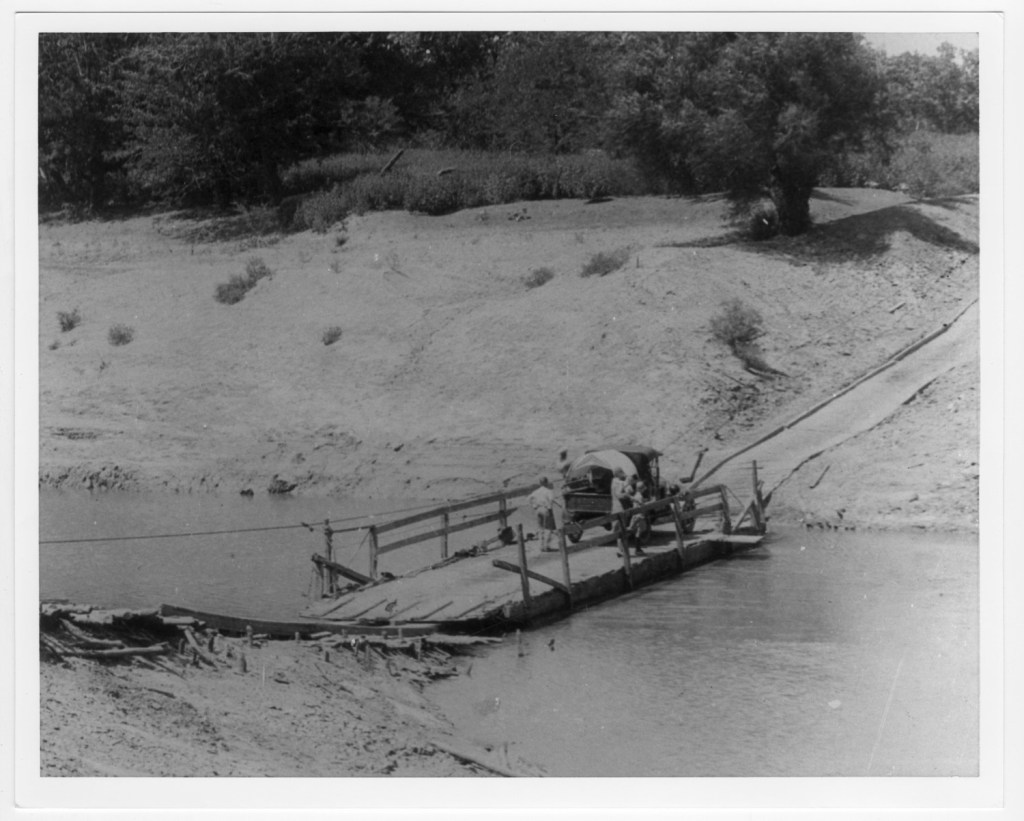
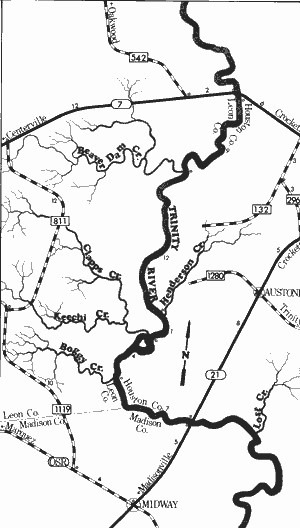
Bonners Ferry was located on the Trinity
River in Anderson County, Texas. During
the late 1870’s, my third great grandfather, James Madison Carter, operated the
ferry.[2]
Before modern bridges were built to span the
Trinity River, ferries were built and placed strategically in areas that were
not fordable. Ferries often had different styles of construction, but the most
common ferry was a flat, raft-like barge which could carry wagons, people and
animals.
As
a part of their charter, ferrymen had to keep the riverbanks graded so that
access to the ferry was not obstructed. Many ferrymen also stretched
bank-to-bank cables as a guide for the ferry crossing. Ferrymen were allowed to
charge for the ferry’s use and were required to post their fares, which
averaged one or two dollars for light and heavy wagons, twenty-five cents for
one man and his horse, six to 12 cents for a man on foot, four to six cents a
head for cattle, and lesser prices for smaller animals. Ferry owners often raises
their fares for crossings at night or during inclement weather.[3]
James Madison Carter was born around 1821 in South Carolina.[4] He was the son of David Carter and Lavinia York. He married Nancy Mayson on 26 November 1846 in Franklin County, Georgia. Together they had six children. After his wife’s death, James moved his family to Catahoula Parish, Louisiana where he met and married Frances Coats.[5] Frances was born in Mississippi and was the daughter of Morgan Coats.[6] The Pine Grove Baptist Church in Rinehart, Louisiana received James Madison Carter as a member of their congregation on 8 June 1861.[7] Other entries from the church record book show him being deeply involved in his church serving as a delegate to represent his church, serving as deacon, being involved in many business transactions, moderator and committee member.[8] An entry recorded on 9 April 1864 shows him making acknowledgment to the church for getting drunk and asking for forgiveness which was granted. On 11 August 1867, James Madison Carter was granted a letter of dismissal upon his request.[9] This was most likely the time he and his family made their move to Texas.
The Carter family is shown in the 1870 census living in Freestone County, Texas and began operating Bonners Ferry in the mid to late 1870’s[10]. James Madison Carter passed away around 1877 leaving his wife Frances with five small children under the age of ten. Frances took over the operation of the Ferry for a short while before moving to Keechi in Leon County to be near her family[11].
[2]
History of Leon County, Texas; compiled and edited by Leon County Historical
Book Survey Committee; sponsored by the Leon County Historical Society, Inc.
and the Leon County Historical Commission; Volume 1; 1986; Dallas, Texas;
Curtis Media Corp.; Carter Family F169 [Matt Rutherford]
[4] 1870
U.S. census, population schedules. NARA microfilm publication M593, Washington,
D.C.: National Archives and Records Administration, Ancestry.com Operations,
Inc.; 2009; Provo, UT, USA; Ancestry.com
[6]
1850 U.S. census, population schedules. NARA microfilm publication M432_230;
Page: 53A; Image: 424; Ancestry.com Operations, Inc.2009; Provo, UT, USA
[7]
Baptist Minute Book, Pine Grove Baptist Church, Rinehart, LA; 8 June 1861; pg
13; Copy of entry in possession of Larry Chapman, 1194 Lamb St. Trout, LA 71371
[10]History
of Leon County, Texas; compiled and edited by Leon County Historical Book
Survey Committee; sponsored by the Leon County Historical Society, Inc. and the
Leon County Historical Commission; Volume 1; 1986; Dallas, Texas; Curtis Media
Corp.; Carter Family F169 [Matt Rutherford]
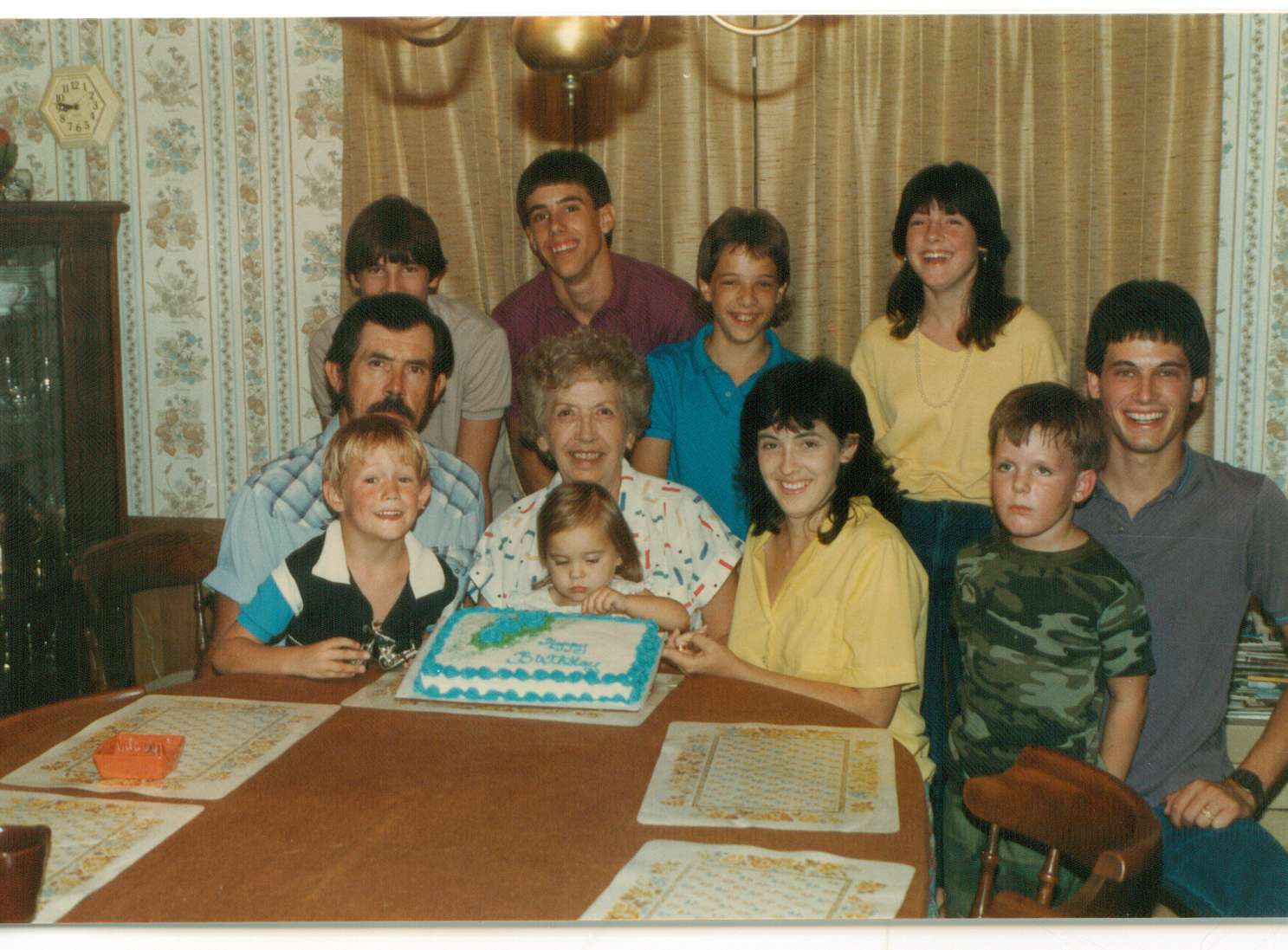
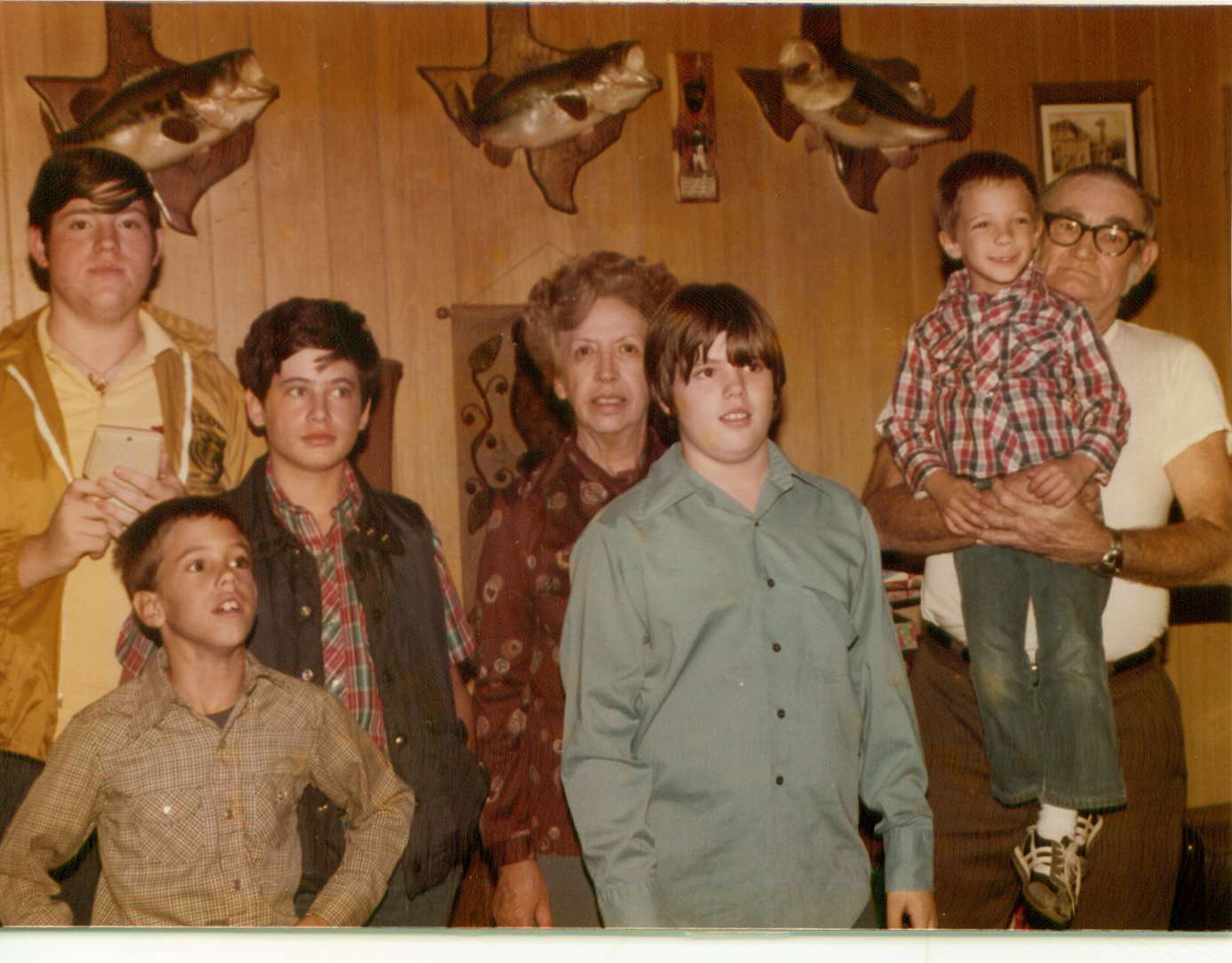
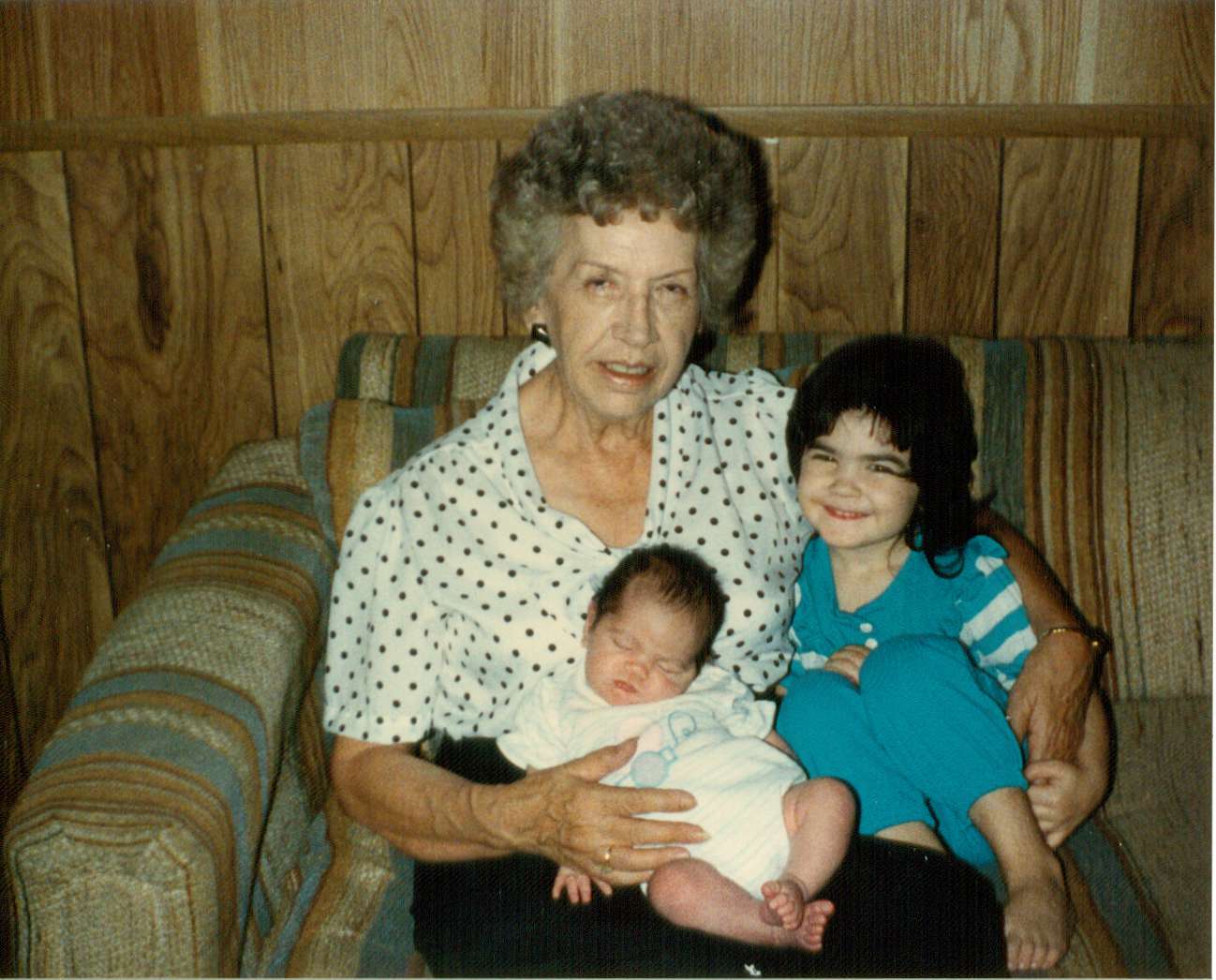
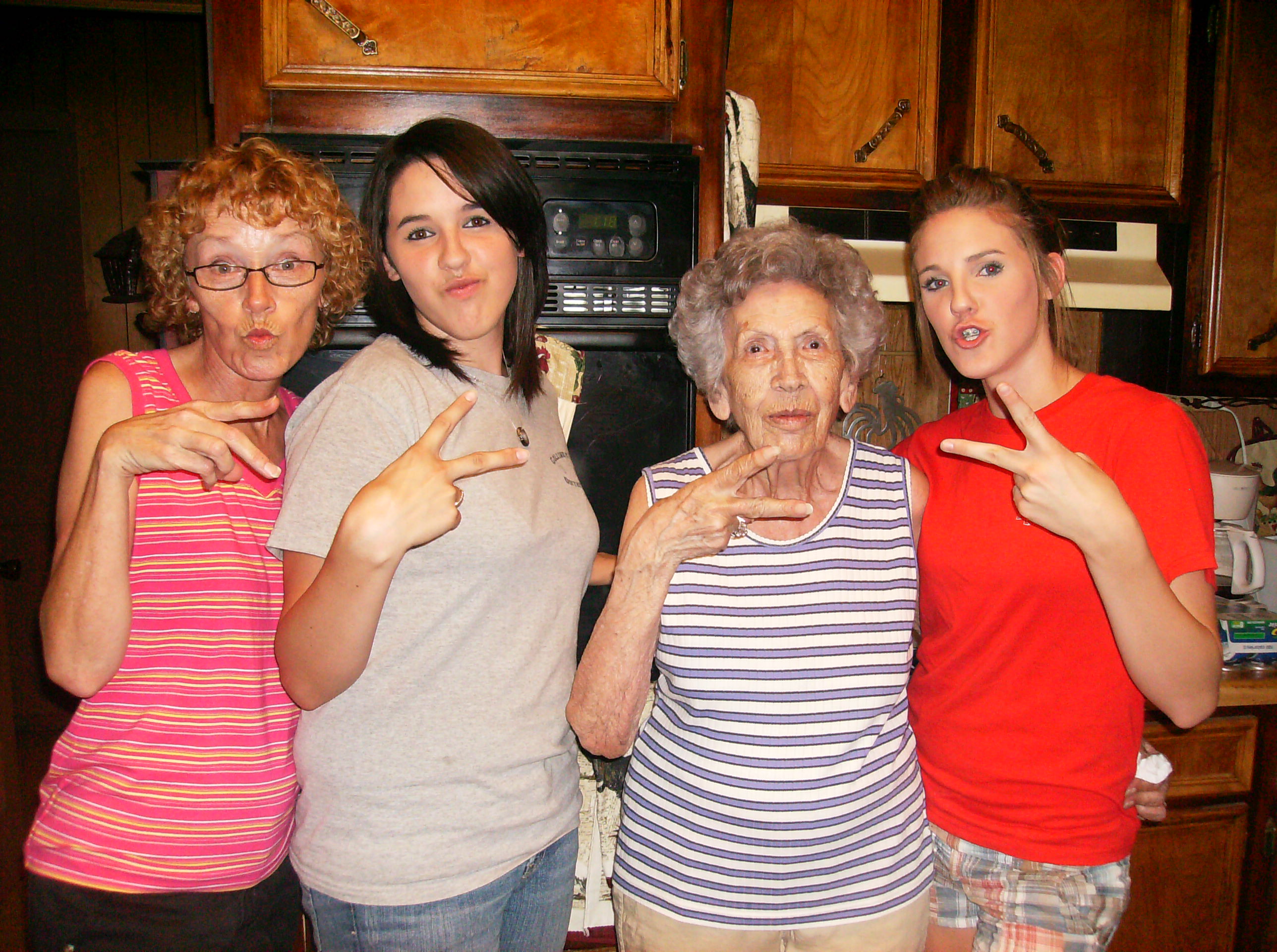
Ten years ago this week, my precious grandmother went to live in her eternal home. I was very close to her and miss her still. She was smart, funny and sassy. Nenaw, as her grandkids called her, was a wonderful wife, mother and grandmother who always welcomed visitors with love and affection. Whenever we knocked on her door, she always hollered out, “Come on in if your nose is clean”, followed by the most infectious laugh.
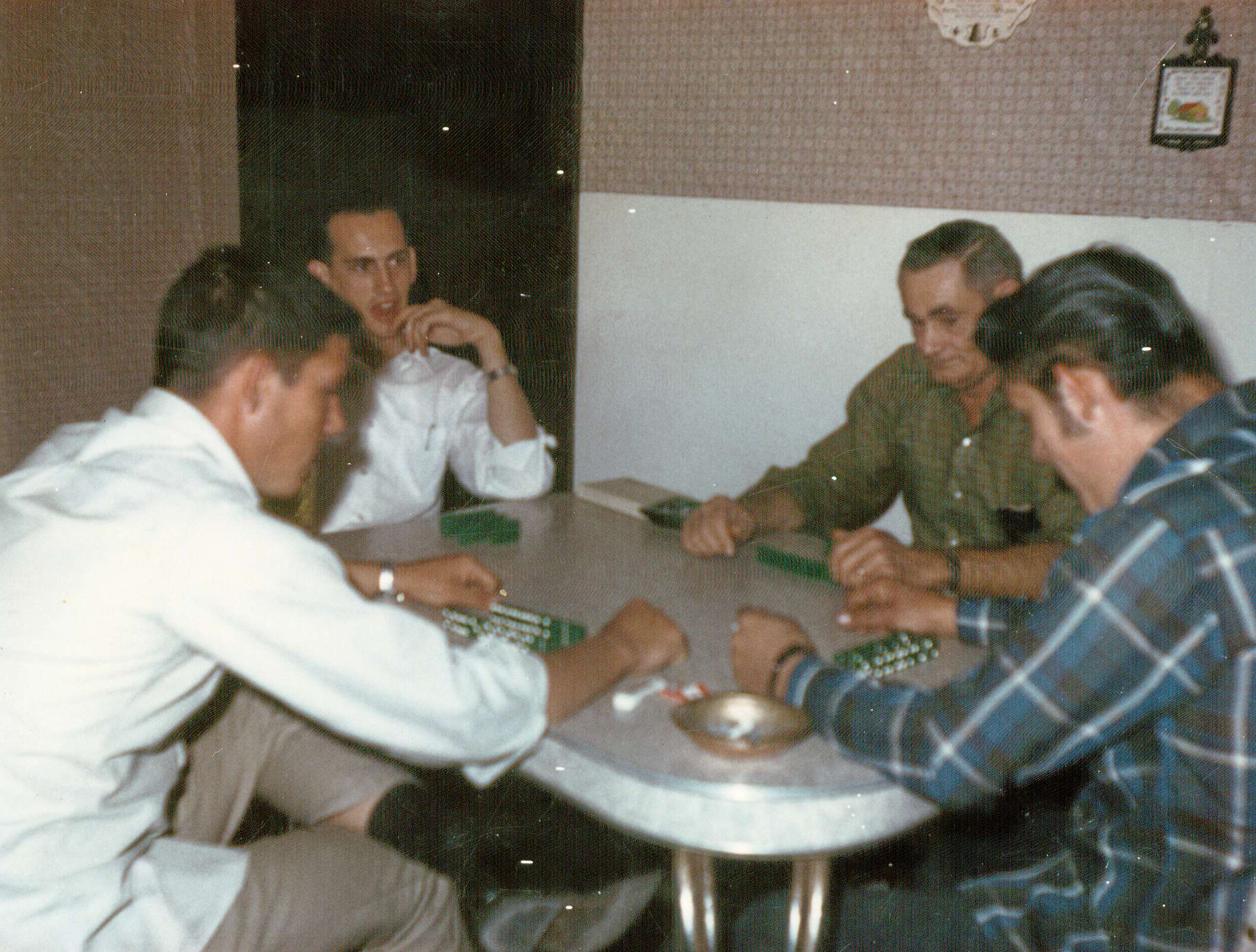
Some of my fondest childhood memories are of spending time at my grandparents’ home. We used to go to their house every Friday night, a tradition started way back before I was born. All the family would come together on Friday nights for food, family time and dominos.
I remember always sitting on the kitchen floor with my grandmother playing Jacks or Pick-up Sticks. As I grew older, I stood at my grandmother’s elbow as she played 42 (domino game) and taught me her strategies. I became pretty efficient at playing as an adult. We had many cousins who came as well and would have competitions out in the backyard seeing who could jump the furthest off the porch onto the lawn or who could make it jumping over the huge plant at the corner of the porch. Playing football was usually a part of our weekend fun as well. The highlight of our visit was gathering in the front living room listening to my grandmother tinkle away on her antique piano. She played a tune that reminded me of a bygone era, maybe something from the 1920’s or 30’s. We usually danced around while she played. Some of us would even pair up and play chopsticks for extra entertainment.
Nenaw was a fun loving grandma and never minded getting down on the floor with the grandkids to play. She was always so proud of her family and let them know it every time she got a chance. Even as she bragged, she admitted, “Every crow thinks hers is the blackest”. She wasn’t afraid to admit that she was very partial to her family.
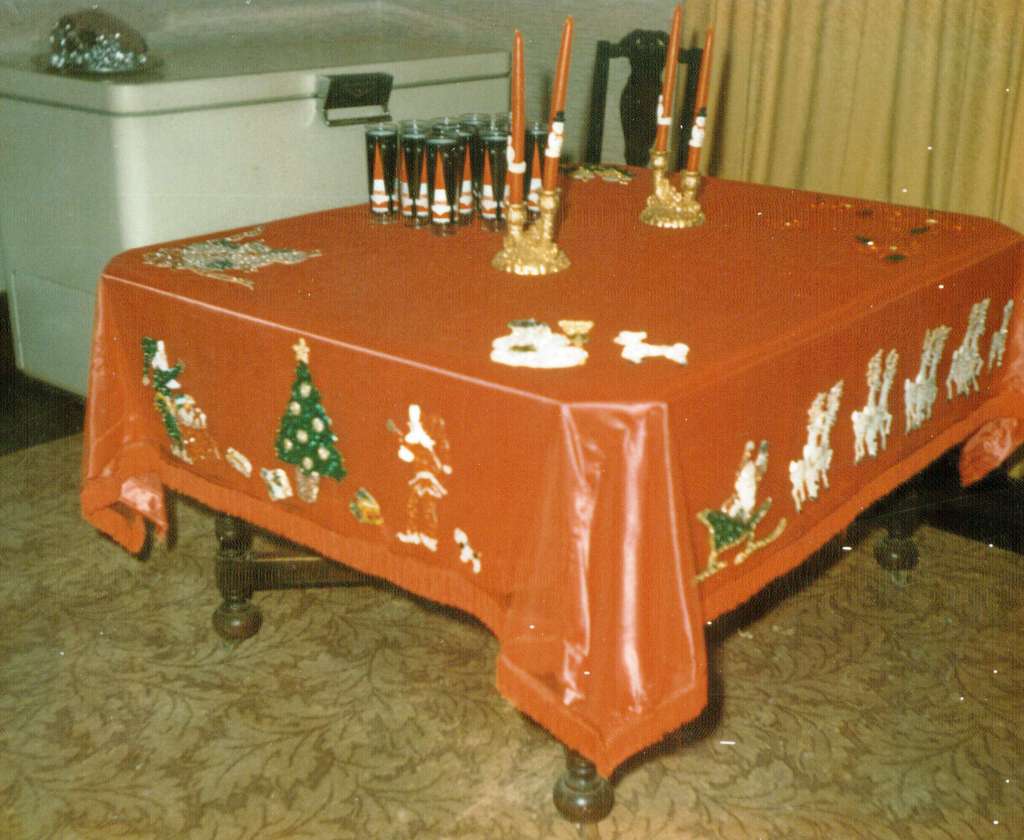
Writing poetry was something that she enjoyed and was quite good at it. She wrote all sorts of poems in her lifetime. Some were in memory of a loved one who passed away, others were political or sports related. Many of her poems and other writings have been published in the local newspaper. Sewing and other crafts have also been a part of her special interests. She made an amazingly beautiful Christmas tablecloth using the sequin and bead method. She also made many beautiful crochet items for the new babies in the family. No doubt, she was a lady with many special gifts and talents.
Margaret Evelyn Parten was born in Delia, Limestone County, Texas on 7 August 1921. She was the daughter of James Monroe Parten and Winnie Johnson. She married Lewis Albert Stafford in 1939 and was the mother of four, grandmother of eleven, great and great-great grandmother of a multitude.
She was employed for many years at the Mexia State School MHMR where she was a dorm charge and assistant supervisor. Everyone who knew her saw that she was caring and deeply compassionate . She loved her clients and co-workers and they dearly loved her.
Many vacations were spent traveling across the country with her family and friends. Her closest friend, Margaret Gamble joined her on many trips.
Staying close to family and friends was always very important to her. She wrote letters often and made many phone calls daily, always remaining close to her cousins who lived far away. One of the greatest things I learned from my grandmother was the importance of family. I love her dearly and miss her every day.
Anxiously awaiting the release
date of the 1940 census was a test of my patience. I was beyond excited to see
all the new genealogical information the census would reveal. On April 2, 2012,
the National Archives released the 1940 census to the public after a mandatory
72-year waiting period.[1]
Slowly I began exploring the census records, but it would be a few months before the first index would become available, so I took my time scouring over the census records for the county I was researching. Several of the searches I performed were successful, but I was not able to find my Roundtree family in the county I thought they resided in. I needed that index to hurry!!
Once the index was released, I excitedly typed in the information to search… no results. I tweaked the search criteria… nothing. I typed in every alternate spelling I could think of… nothing. After trying a last name only search (with no results), I used the “wildcard” search technique[2]… nothing. The next several weeks were spent trying every search option possible… still nothing. How many ways was there to spell the name Roundtree???
After searching the index for what seemed like an eternity, I decided to begin a page by page search beginning with the surrounding counties where I thought they may have been living. This process took what seemed like forever, but it finally paid off.
I’m
not sure if it was the census taker’s fault or the informant’s misunderstanding,
but if I had not done a page by page search, I probably never would have found
it. I was beginning to think they must have missed being recorded on the census
record.
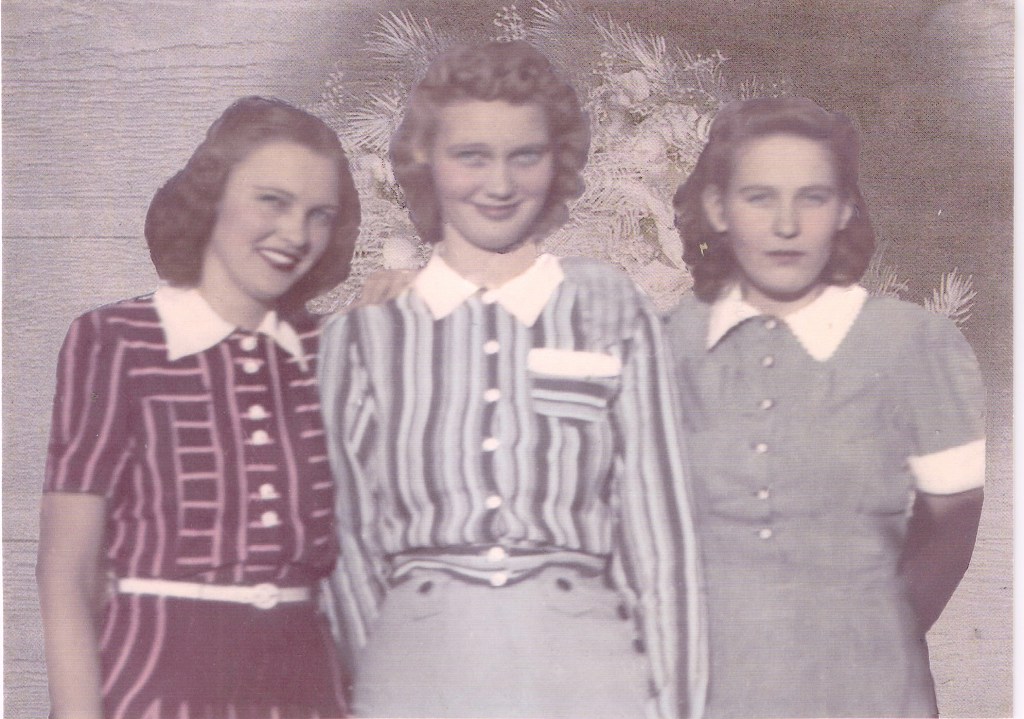
Pictured above are my great-grandparents, Andrew Lawrence Roundtree and Ila Florence Moody Roundtree. Their children who were living in the household at the time the census was taken were Elsie Aline, Lesley Raymond, Georgia Marie, Reta Fay, Andrew Lawrence Jr and Coy Eugene.
Pictured from L to R: Andrew Lawrence, Jr (Sonny), Elsie Aline, Vera (Sonny’s wife) and Ila Florence Moody Roundtree.
Elsie Aline, Georgia Marie and Reta Fay
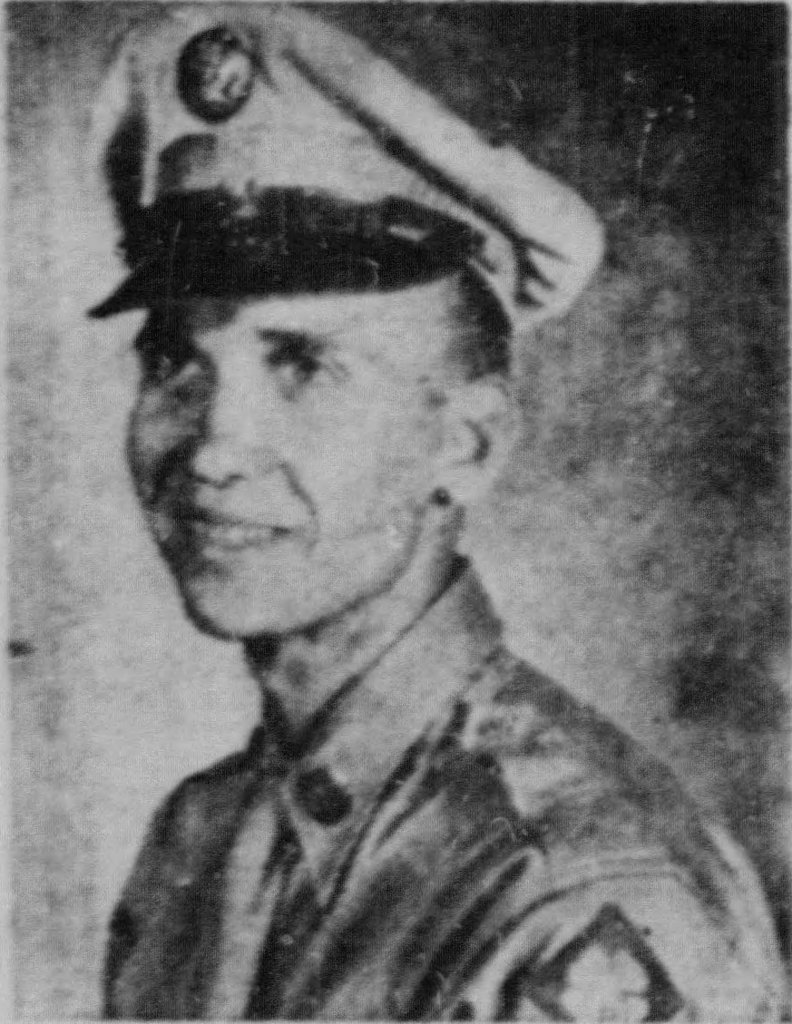
Coy Eugene Roundtree
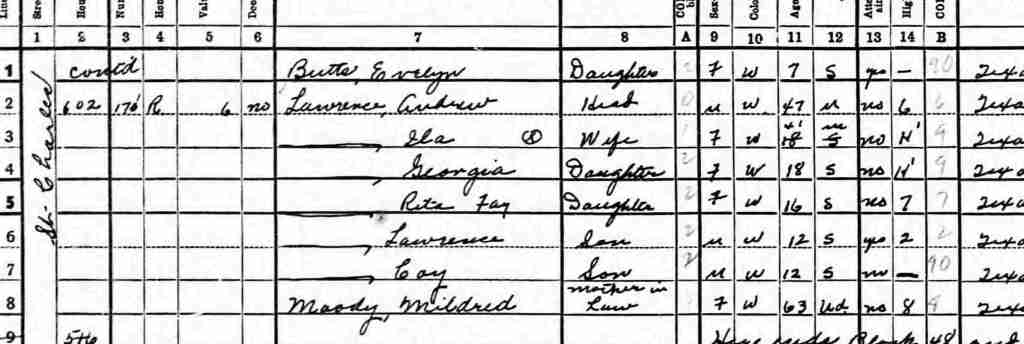
Listed as the Lawrence family instead of the Roundtree family. The census taker took my great-grandfather’s middle name as the surname and attached it to the entire family.
They were listed as the Lawrence Family instead of the Roundtree family. I can just
picture the census taker asking my great-grandmother what her husband’s full
name was, and her replying “Andrew Lawrence” (stating his first and middle
name). The indexer wasn’t a big help either as he misspelled every single name
which made it impossible to search. The index showed my grandmother’s name as “Leta
Foy”. It very clearly says Reta. I had
to laugh when I saw their son’s name “Lawrence Lawrence”. If I were the census taker, I think I might
have to ask about that one.
I’ve
had my share of census blunders and have learned a few hard lessons from them. Don’t
believe everything the census shows and if you can’t find them by searching the
index, don’t give up and automatically assume they missed the census. They may
be hiding in plain sight.
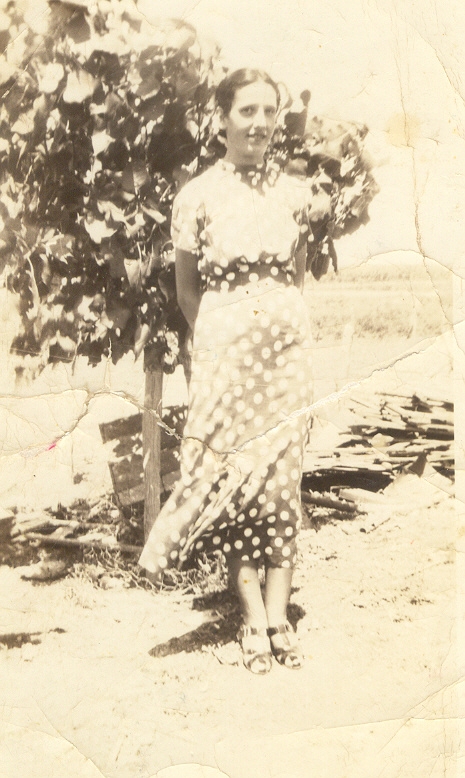
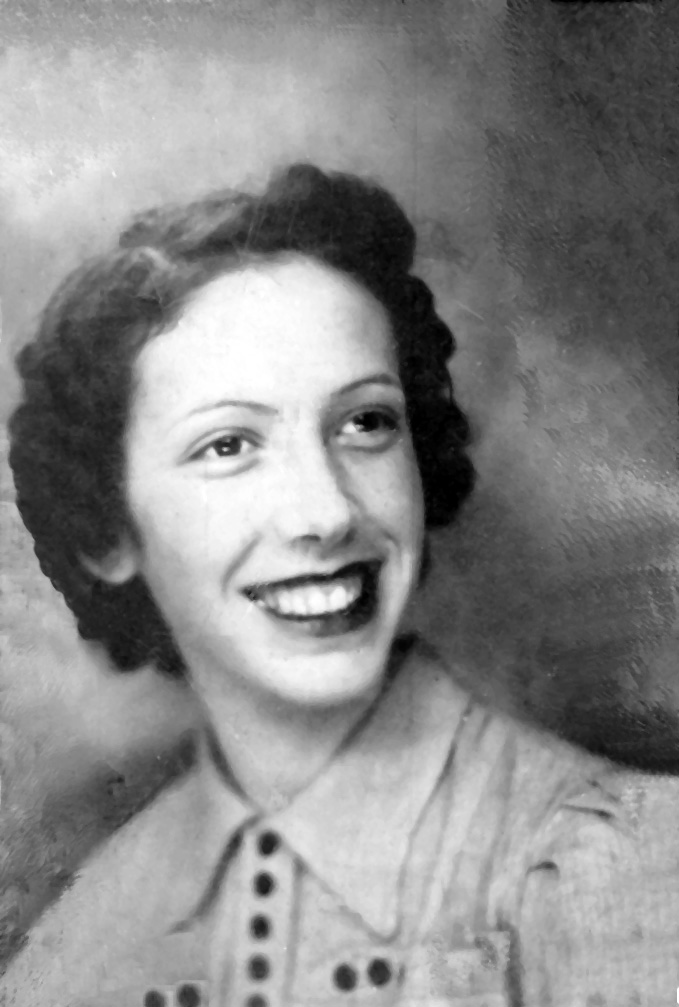
I have chosen to write about my grandparents for this week’s writing challenge, for it was during their school days that they met and fell in love.
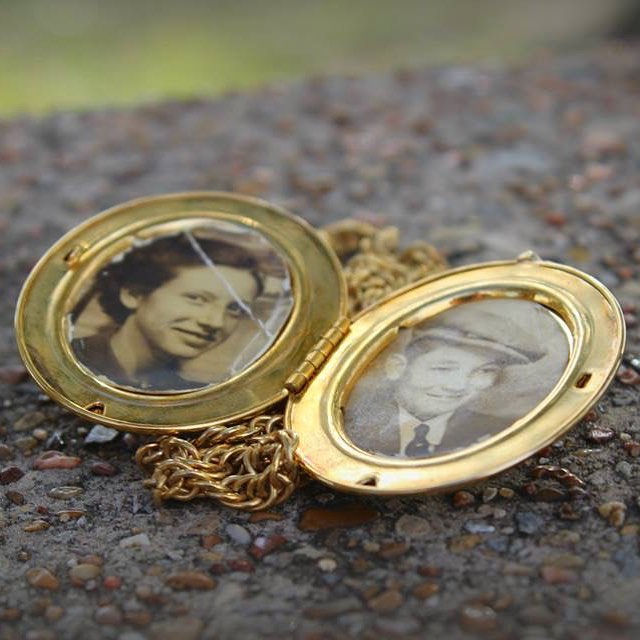
This was my grandmother’s locket she had in her jewelry box. Several years after she passed away, my Aunt Carolyn brought the jewelry box to a family get-together because she wanted all of us to be able to choose a piece of my grandmother’s jewelry. My daughter pulled out the locket and opened it. We were all stunned to see the photographs inside. No one had ever opened the locket before that point in time. It was a rare treasure. This was about the age my grandparents were when they met.
I remember my grandmother telling me about the first time she met my grandfather. My grandmother was the only child still living at home and because her widowed mother was a practical nurse, she had to travel quite a bit, so my grandmother stayed with her sisters or brothers during the times her mother was gone.
It was early one weekend morning. This particular morning, she was staying with her sister, Velva. Velva and her husband had hired some boys to do some work on their farm. My grandfather was one of the boys. My grandmother was still in bed asleep when one of her brothers came into the bedroom for something. My grandfather and one of his brothers were following behind him. They were quickly introduced. She said she sat straight up in bed and jerked the covers up to her chin, but politely greeted them. This was the beginning of a friendship that would turn into a courtship and a lifelong love. I believe my grandfather was smitten the first time he laid eyes on my grandmother.
Both my grandparents’ families lived in small farming communities. My grandfather, Lewis Albert Stafford was born 13 July 1920 in Birome, Hill County, Texas. He was the third youngest of ten children. By the 1930 census, the family were living in Limestone County.
My grandmother, Margaret Evelyn Parten, was born 7 August 1921 in Delia, Limestone County, Texas. She was the youngest of nine children.
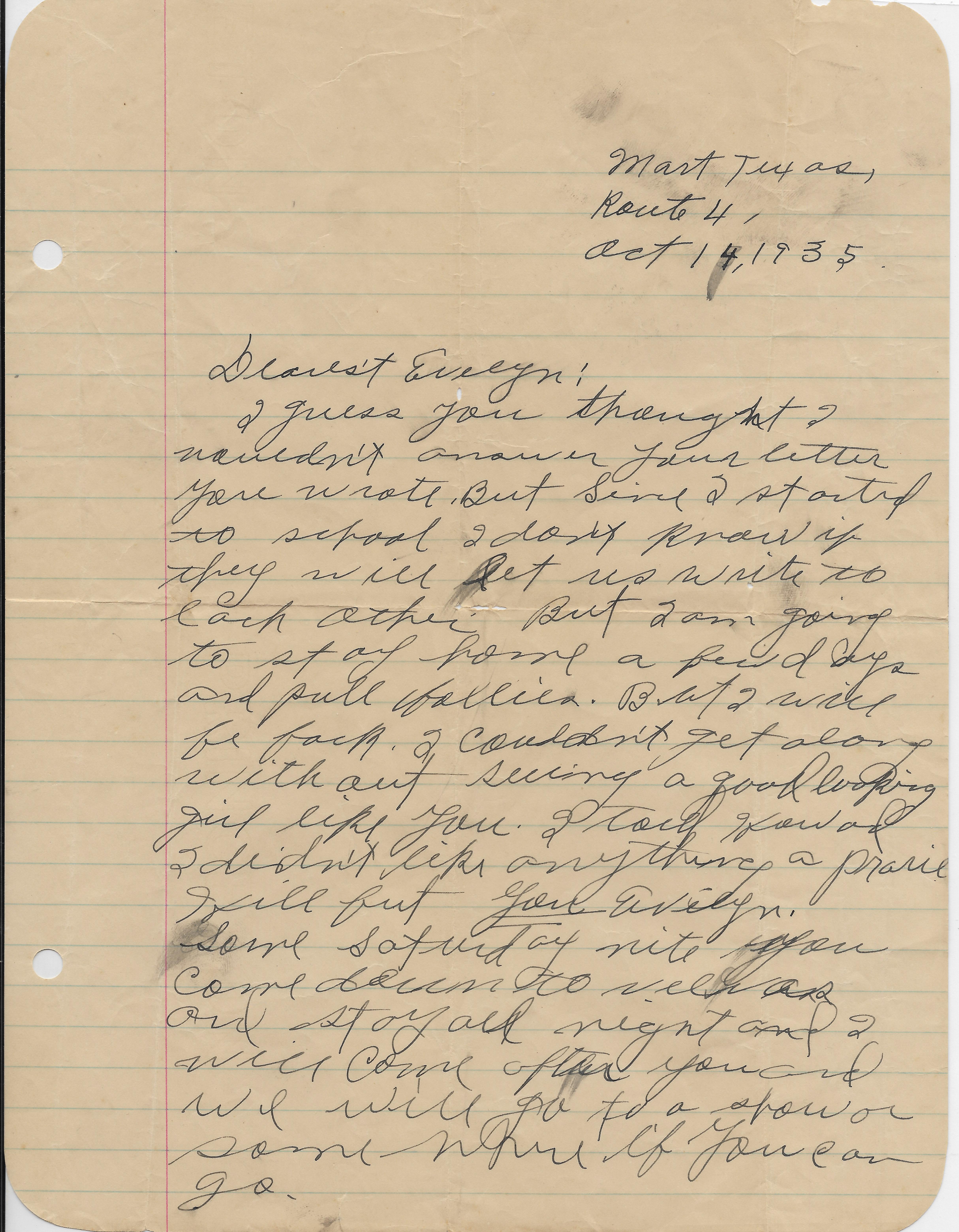
They began writing letters to each other over the next several years. My grandmother kept all her letters from my grandfather, but I have never been able to find any that she wrote to him. Apparently, he didn’t save them, but you get a sense of the relationship through my grandfather’s letters.
Among the earliest letters written
to my grandmother was dated October 14, 1935. My grandmother would have just
turned fourteen and my grandfather fifteen.
Mart, Texas
Route 4
Oct 14,
1935
Dearest
Evelyn,
I guess you thought I wouldn’t answer your
letter you wrote but since I started to school I don’t know if they will let us
write to each other. But I am going to stay home a few days and pull bollies.
But I will be back. I couldn’t get along without seeing a good looking girl
like you. I told Howard I didn’t like anything at Prairie Hill but you Evelyn. Some Saturday nite you come down
to Velvas and stay all night and I will come after you and we will go to a show
or some where if you can go. I have been down at Velva’s house all evening me
and some more boys. They was talking about good looking girls. I told them you
was the best looking girl at Prairie Hill and Mart to. Howard said a man was
coming to school and take some pictures today. If he does you have some made
and send me the best one. Did you go to the ball game Sat nite. I sure hated it
because I didn’t get to go. I came up there and they said the bus had just
left. It sure made me mad. I heard Prairie Hill won. I sure was glad they won.
Well I will close. Answer soon write a long letter if them boys will let you. Ans
soon
Love always Love
Your
Best Friend Lewis
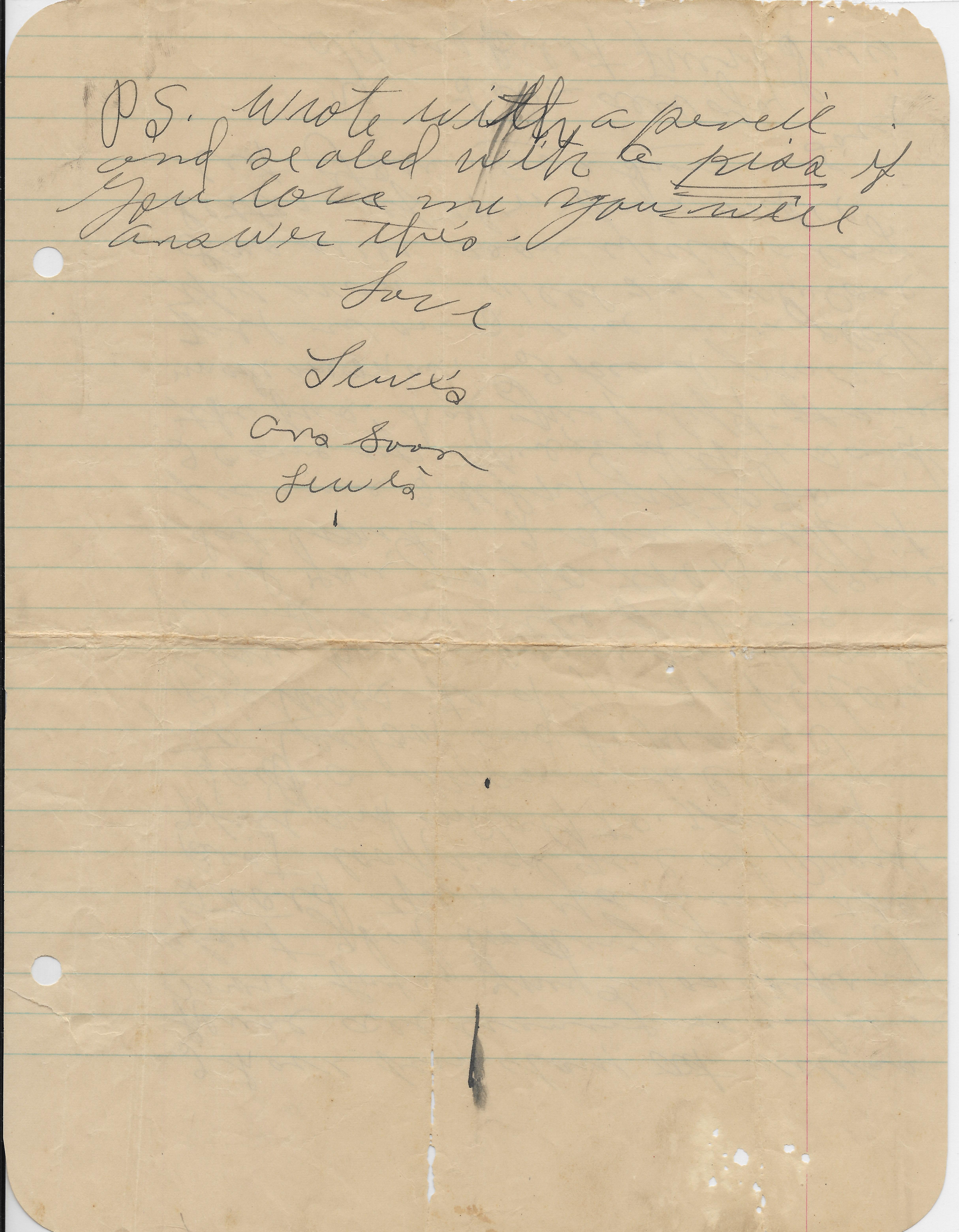
PS. Wrote with a pencil and sealed with a kiss
If you love me you will answer this.
Love
Lewis
Ans Soon
Lewis
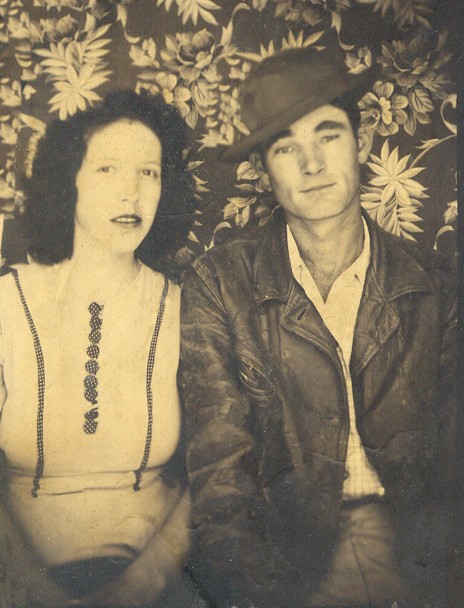
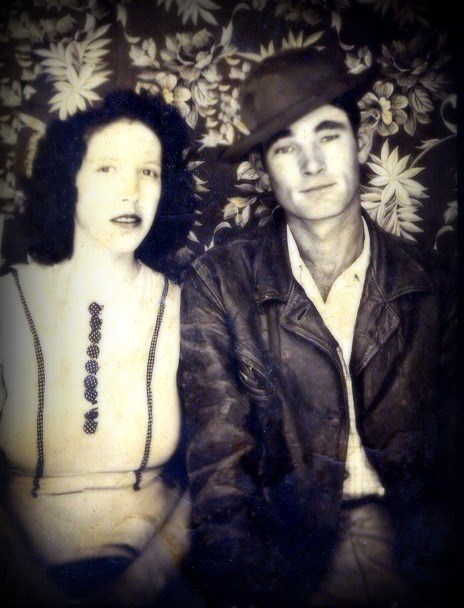
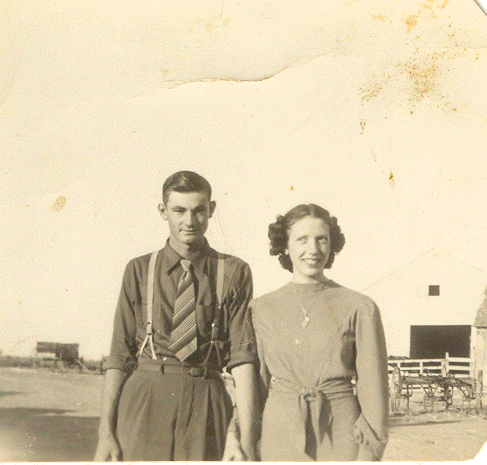
My grandparents continued their courtship throughout their school days.
I remember looking at this picture with my grandmother telling her how good looking my grandfather was. She got the biggest grin on her face and said “Oh, I know he was”. She was pretty smitten too!!
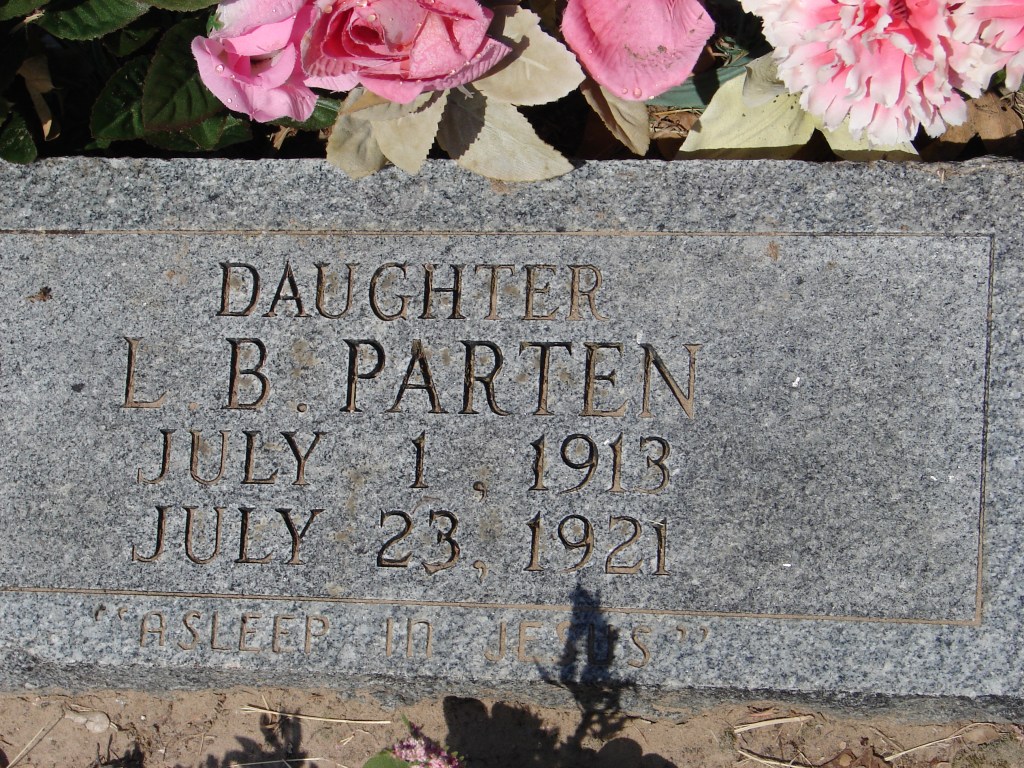
Lizzie Beth Parten was born on 1 July 1913 near Delia in Limestone County, Texas. She was the daughter of James Monroe Parten and Winnie Johnson Parten. Lizzie Beth was affectionately called L.B. by her family. She was the baby of the family before my grandmother was born in 1921. That was the year tragedy struck.
Lizzie was the eighth child of James Monroe Parten and sixth child of Winnie Johnson Parten. James Monroe Parten was first married to Sally Dellis. Together they had two children, Clara Etta Parten and James Dellis Parten. Sally sadly died during childbirth along with her stillborn child.
James Parten married Winnie Johnson on 15 August 1901. Together they had seven children; Audrey Alice b. 1902, Linard Ray b. 1904, Guy William b. 1906, Lloyd Monroe b. 1908, Velva Maxine b. 1911, Lizzie Beth b. 1913 and Margaret Evelyn b. 1921. Linard Ray passed away as an infant after having an intestinal disorder.
James Monroe Parten and Winnie Johnson Parten – Wedding Photo
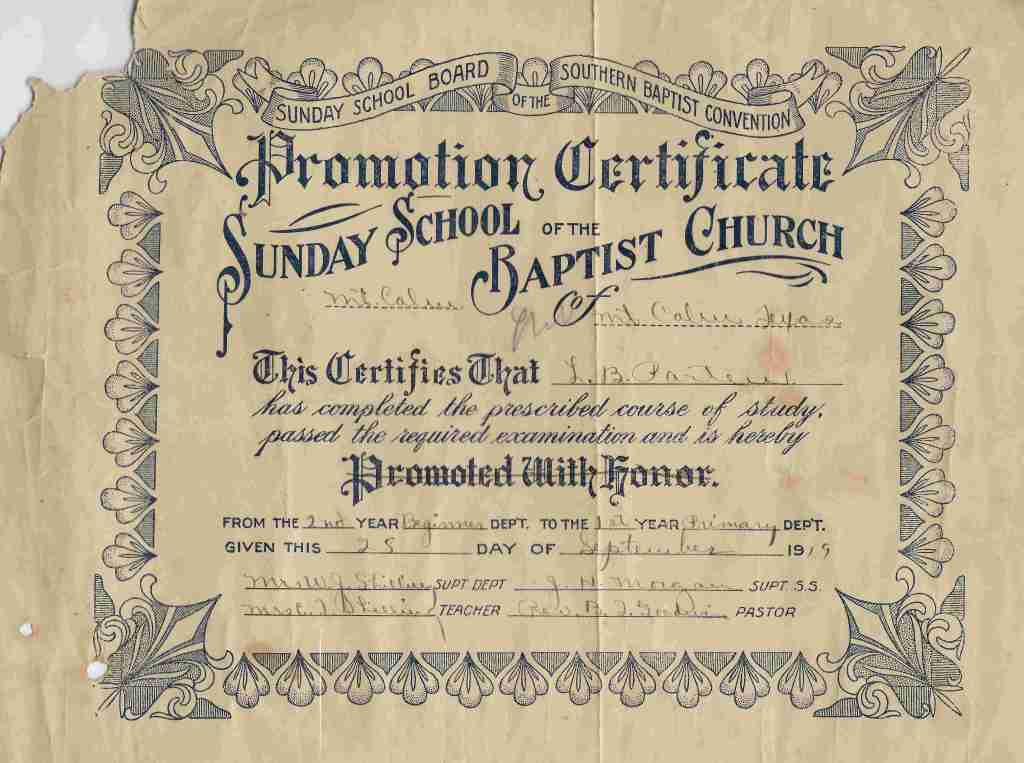
The Parten family was a typical rural family who lived on a farm near Delia, Limestone County, Texas. The children attended Mt. Calm school and the family were members of the Mt. Calm Baptist Church. The family had business dealings in nearby communities such as Prairie Hill and Hubbard City. For an average farming family, the children attended the local school then came home to their daily chores, the men worked the farm and the women took care of the home and family.
Lizzie’s Sunday School Certificate
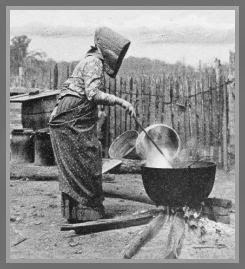
Before the luxury of indoor washing machines, women used large outdoor cast iron kettles to do their laundry. They would fill the pot with water, then build a fire underneath it. Once the water was heated, they would either pour soap powder into the water or use lye soap. They would then drop their clothes into the scalding water and stir the clothes around with a stick, similar to the modern day washing machine’s agitator.
Excerpt from “The Easiest Way in Housekeeping and Cooking” by Helen Campbell
After the clothes had soaked awhile, they would then be removed from the steaming water, rinsed and rung out, then put on the clothesline to dry. It was during this weekly chore that tragedy struck the Parten family.
Little Lizzie Beth was out playing with one of her friends. He started chasing her with a dead rat. As she was running, she tripped and fell into the wash pot. The fire had already been put out, but the water was still extremely hot. Lizzie was very badly scaled. The family sent for the doctor immediately but the burns were so severe that she did not survive. The magnitude of this tragedy is unfathomable.
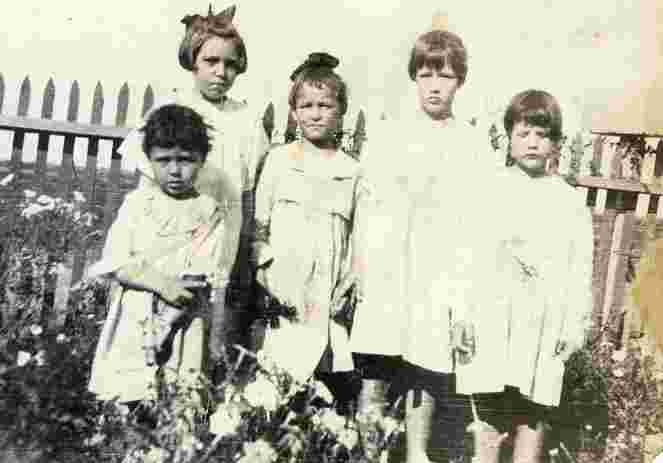
Lizzie Beth Parten is on the far right standing next to her sister Velva Maxine Parten. This is the last known photograph of Lizzie before she died.
My grandmother grew up always thinking that she was the replacement child. I had been told that Lizzie passed away in 1920, but after a little investigating, I found that Lizzie had in fact died on the 23rd day of July, 1921. This was just two weeks before my grandmother was born. In fact, the tragedy may have even caused my grandmother to arrive early.
My grandmother’s birth was a balm to this family who had lost a precious daughter. Her birth gave this family hope and light during a dark tragic time.
Although my grandmother never knew her sister, Lizzie Beth, she was very dear to her heart. She grew up hearing stories of her sister and missed her even though she never met her. I have shared this story with my children and grandchildren so that Lizzie will always be remembered.
Parten Family; Standing L to R front row is Margaret Evelyn Parten (my grandmother), James Monroe Parten, Winnie Johnson Parten, Audrey Alice Parten, Lloyd Monroe Parten, Velva Maxine Parten. Back row L to R is Guy Parten and James Dellis Parten. Clara Parten is not pictured as she passed away before the photo was taken. She died during childbirth along with her stillborn child. James Monroe Parten passed away in 1933, not long after this picture was taken.









 Digging Up Roots
